
Massey Land and Cattle Focuses on Performance, Fertility and Carcass Merit
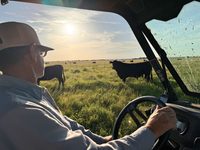
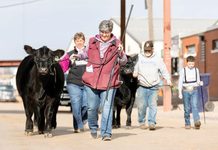
CABOOL, MO – Located in Cabool and Mountain Grove, Mo., Massey Land and Cattle is a family-operated seedstock cattle operation owned by Buck Massey and Kelly Massey. Built on a foundation of performance-driven genetics and practical management, the operation focuses on raising registered cattle that meet the demands of commercial producers across the region.
Buck Massey grew up farming and developed a passion for cattle at an early age. Nearly 20 years ago, after Buck and Kelly were married, the couple made the decision to sell their commercial cattle and reinvest in a registered herd. That decision marked the beginning of a program centered on breeding cattle with strong performance, fertility and carcass merit.
Their shared passion for breeding, calving and developing cattle continues to drive the operation forward as they work toward long-term goals for herd improvement.
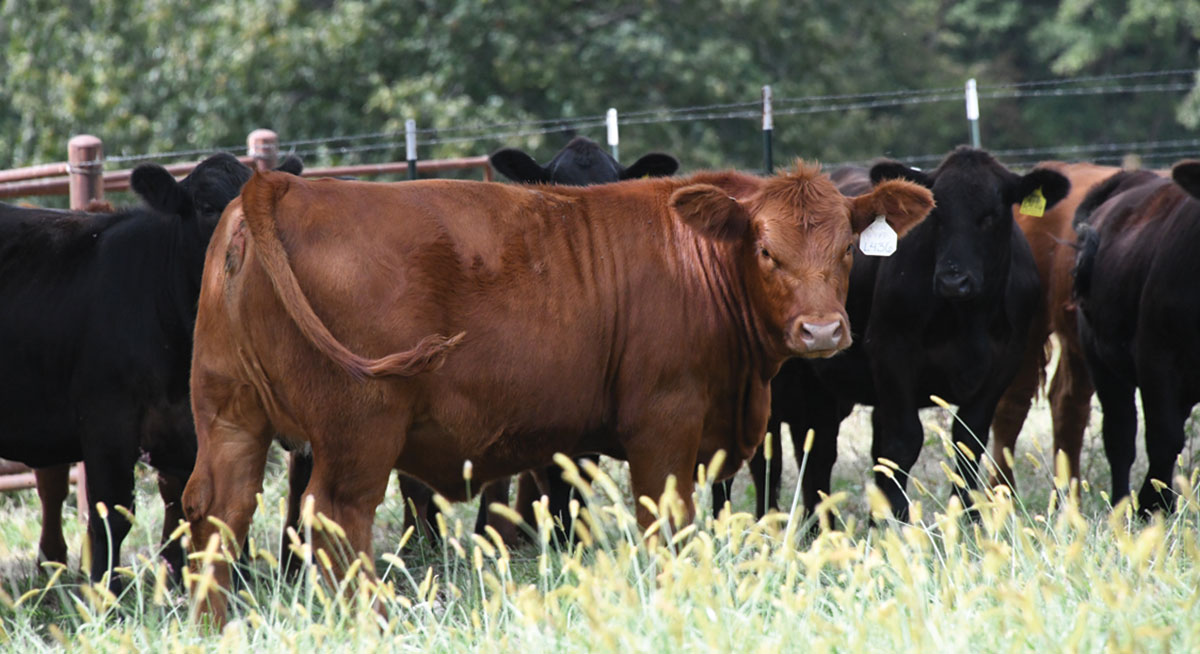
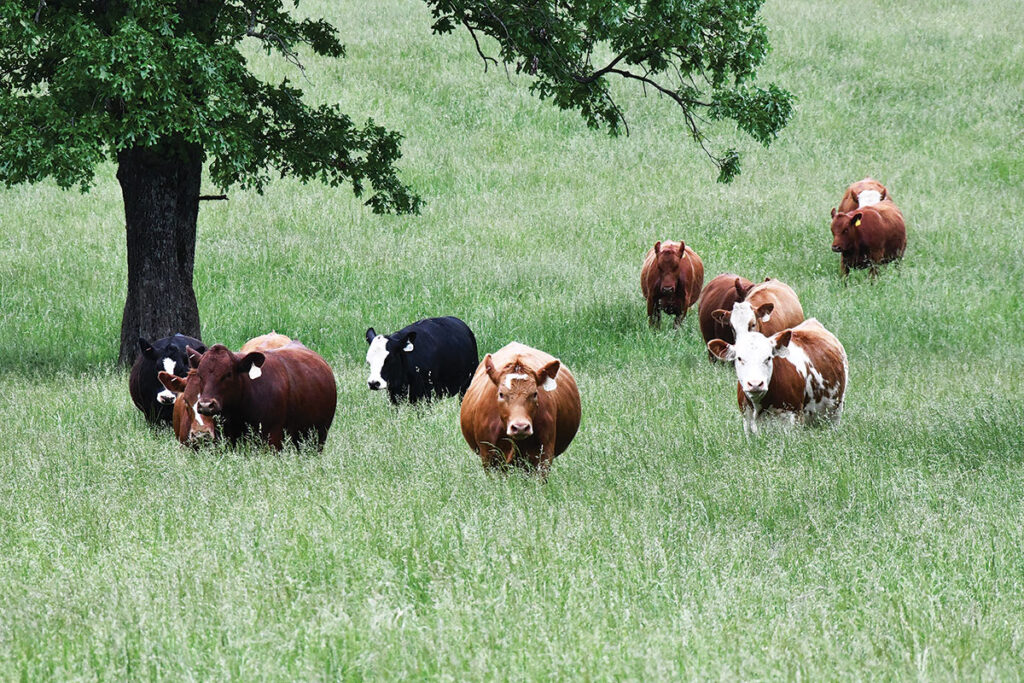
Today, Massey Land and Cattle manages between 120 and 130 momma cows along with approximately 20 heifers in development across more than 500 acres of pastureland in southern Missouri. The operation primarily focuses on Red Angus and Simmental genetics.
The Masseys initially selected Red Angus cattle for their docility and fertility, traits they believed were essential for maintaining a productive and manageable cow herd. As their program evolved, they incorporated Simmental genetics to improve carcass performance and increase overall growth.

Buck and Kelly place significant emphasis on carcass value while maintaining structural soundness and reproductive efficiency within their herd.
Artificial insemination, or AI, is utilized across the entire cow herd as part of the operation’s breeding program. When selecting herd sires, the Masseys evaluate several key traits including foot size, structural correctness and performance data. Ultrasound measurements such as intramuscular fat and ribeye area are also used to guide selection decisions.
Feet and leg structure, fertility, feed efficiency and easy fleshing ability remain among the top priorities when evaluating breeding stock. The goal is to develop cattle that are capable of gaining efficiently while maintaining productivity within a commercial environment.
Calves are weaned at 205 days, and individuals that do not meet a minimum weight of 560 pounds at weaning are culled from the program. Following weaning, bull calves are maintained on a growth ration until November 1, when an additional selection is made.
Bulls that meet performance standards move on to development and testing where they remain for the next five months. Heifers are developed at home on a specialized ration designed to support growth and reproductive readiness.

At yearling age, heifers are pelvic measured and tract scored. Females that do not meet the operation’s minimum pelvic measurement of 144 square centimeters or a tract score of at least four are culled from the herd.
The Masseys market their bulls as 16- to 18-month-old breeding-age bulls that are ready for use. Commercial females are typically marketed 30 to 45 days post-weaning, while steers and heifers that are not retained as replacements are marketed in August for April fats.
Feeding practices play an important role in herd performance. Massey Land and Cattle purchases high-quality alfalfa mixed hay that has been tested to ensure protein levels exceed 16 percent. Pastures are primarily composed of fescue common to southern Missouri.
To support herd health and nutrition, Buck and Kelly conduct liver biopsies in both the spring and fall and work closely with their veterinarian to develop a mineral and supplement program tailored specifically to their cattle.
A comprehensive herd health protocol is also maintained throughout the year. In the spring, cattle receive LongRange along with a drench for deworming, followed by a pour-on treatment in the fall. MultiMin is administered at breeding in the spring and again prior to calving in late fall.
Rotational grazing practices are utilized to improve pasture health and sustainability. The Masseys also unroll quality hay across pastureland to help return valuable seed to the soil. Soil samples are collected every three years to guide liming and fertilization practices.
Marketing presented one of the earliest challenges for the operation, but social media has since become one of their most effective tools for promoting cattle and expanding their customer base. Regular updates and videos allow followers to stay informed about herd performance and daily activities at the farm.
Buck and Kelly are members of their state and local cattlemen’s associations and have served on several boards of directors. Participation in industry events and meetings has provided opportunities to connect with fellow producers and better understand the needs of their customers.
The Masseys also worked with Jeffries Red Angus for 10 years, a partnership they credit with influencing the success and growth of their breeding program.
Record keeping and data tracking are managed through the Breedr app in addition to spreadsheets, allowing the Masseys to monitor genetic progress and herd performance over time.
Looking ahead, Buck and Kelly anticipate that DNA and genetic testing will play an increasingly important role in both registered and commercial cattle operations. Over the next five years, they plan to continue refining their herd by eliminating individuals that do not meet performance standards while maintaining focus on carcass merit and structural soundness.
Their advice for those interested in entering the registered cattle industry is to remain patient and avoid chasing short-term trends.
“Don’t chase fads,” they said. “Be patient, breed the kind of cattle that you want, have a long-term goal and build a reputation rather than chasing quick sales.”