

Being adaptable is the key in this business
GROVE, OKLA. – In 2020, while the rest of the world was battling the COVID-19 pandemic, Nick Simmons was investing in the future of agriculture. In March of that year, Simmons and his business partner, Curtis Larmon, bid on Delaware County Stockyards – right on the steps of the County Courthouse, according to The Grove Sun newspaper.
Simmons and his wife, Somer, knew this business endeavor was a good choice for their family, especially given their agricultural background.
Simmons, of Colcord, Okla., said he has been around cattle his entire life.
“As a kid, I went to the sale barns with my dad and grandpa Floyd. Those early days sparked my love for agriculture.”
As he entered adulthood, Simmons got a taste of the rodeo life. He was immediately enamored and began competing. He never expected, though, that he’d end up owning and managing a livestock auction facility.
The purchase of the property was not “planned,” per se, but both Simmons and Larmon had kept a close eye on the vacant facility and, when it finally became available, they seized the moment.
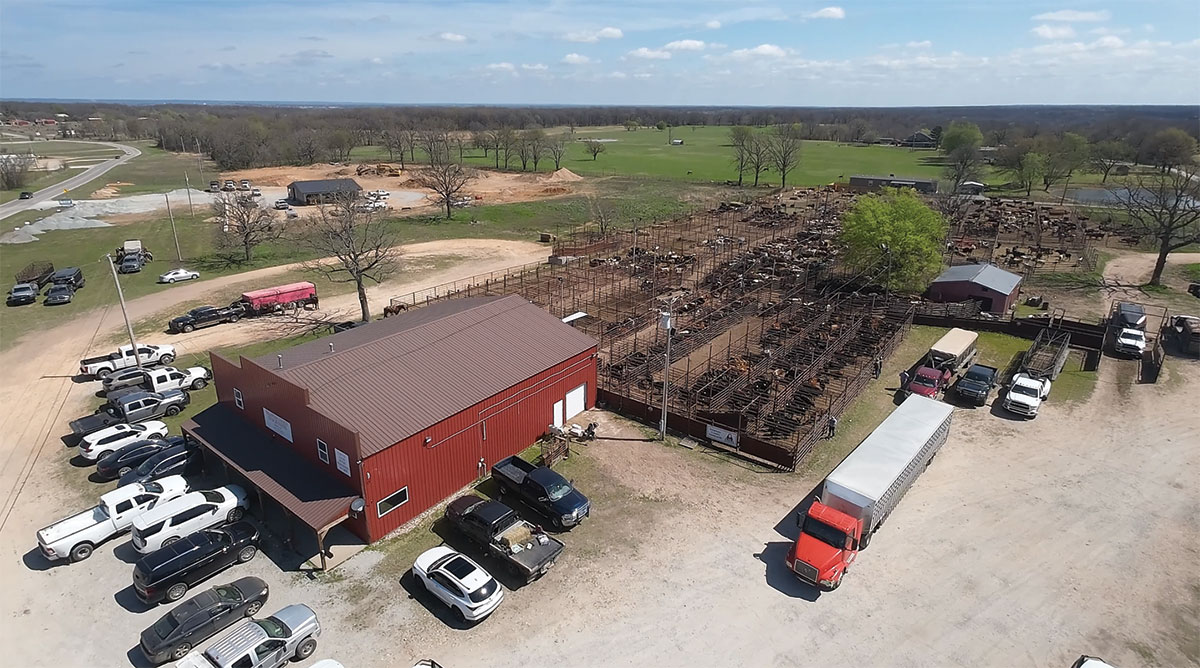
Delaware County Stockyards held its first sale on May 20th of that year and has seen continued success, likely due to the versatility of the operation, which serves the surrounding four states.
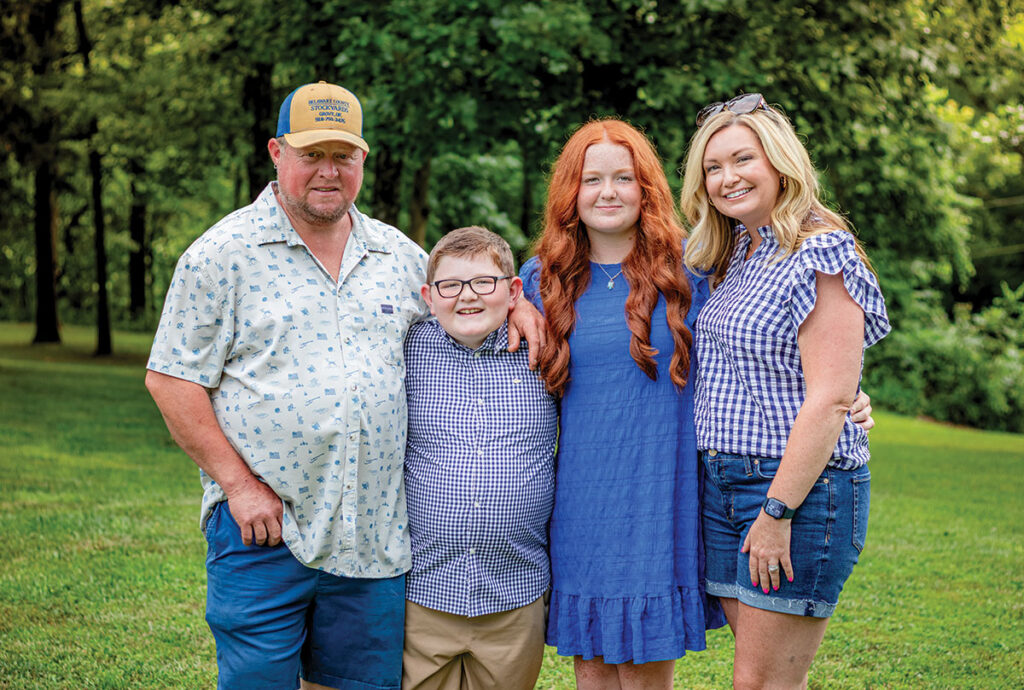
“The cattle market, like the stock market, can change daily,” Simmons said. “At Delaware County Stockyards, we’ve learned to stay flexible and responsive.”
He added that the Delaware County Stockyards team closely monitors the pulse of market trends, buyer demand, and industry shift; this enables the business to adjust quickly and assist consignors as needed.
“Being adaptable is key in this business, and we’ve built a system that allows us to move with the market, not against it.”
The Simmons bought Larmon out of his share of the stockyard in 2020.
Delaware County Stockyards typically auctions cattle, horses, and goats. The auction process begins when livestock are received and entered into the operation’s computer system.
Next, the animals are separated based on characteristics such as breed and gender before being placed on hay and water. Horses and goats are auctioned prior to cattle. The cattle enter the ring and are penned according to the buyer before heading to their new homes.
The ultimate goal of the operation is to streamline the selling process. Simmons encourages potential sellers to reach out to receive a rough market estimate and have any questions answered. In addition, the stockyard provides a range of services, including advertising, videography, veterinary care, and hauling services.
“From start to finish, we’re here to help you get top value with minimal hassle,” Simmons said. “We work hard for our customers to get the best price.”
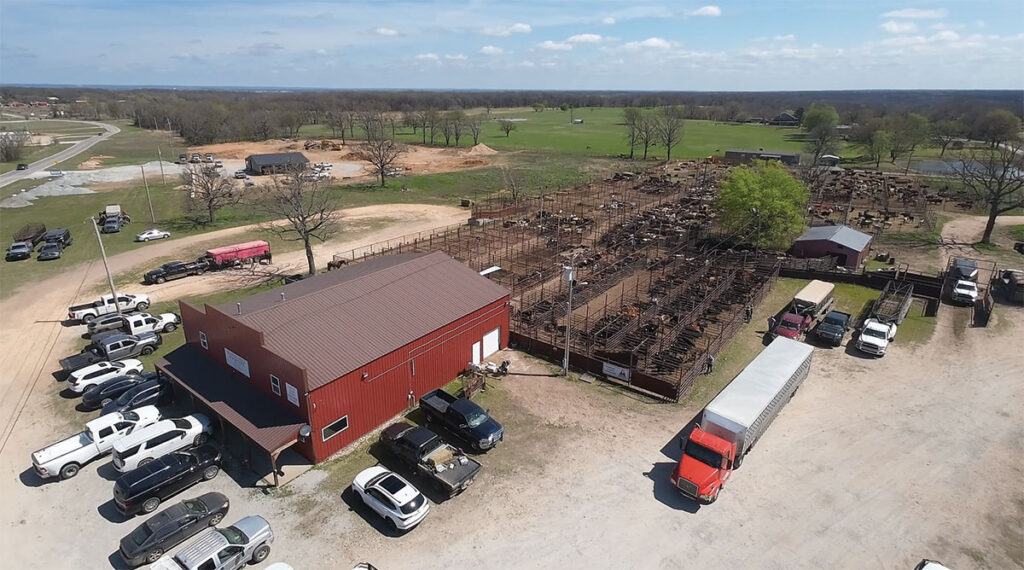
Delaware County Stockyards auctions approximately 3,000 animals per month; the busiest times at the venue, according to Simmons, are the spring and fall when the annual horned cattle sales are held, with a range of 1,200 to 1,800 head being auctioned.
All livestock auctioned at the location are provided with top-notch care. Stockyard employees adhere to USDA Packers and Stockyards Division regulations.
“We have highly trained individuals who work closely with the animals in the pens,” Simmons said.
As the livestock market continues to evolve, Delaware County Stockyards plans to enter into a state of parallel development. Simmons believes the future of the business will be shaped by technology, pointing to the popularization of online bidding and video sales. This past year, Delaware County Stockyards began accepting online bids during its weekly sales.
Despite the agriculture industry’s increasing reliance on technology, producers and buyers still value human connection and personal relationships.
“Over the next 5 to 10 years, our goal at Delaware County Stockyards is to continue growing and thriving while always putting our customers first,” Simmons said.
He stated that an integral part of the operation’s vision is several facility improvements; a top priority is renovation of pens to improve comfort and protection for both livestock and handlers.
“By investing in infrastructure and service, we aim to strengthen our role as a trusted partner in the livestock community for years to come.”