


The Bridge at Frog Bayou
Frog Bayou Farms bridges the gap between city and farm life. Owners Sean and Stephanie Brister farm 600 acres that span from within the city limits on Main Street in Alma, Ark., to the surrounding rural countryside in Crawford County. The Bristers and their two young sons, Ross, 8 and Wyatt, 6, are passionate about farming and welcome the public to enjoy and learn about many of the crops and livestock that are integral to Arkansas’ economy each fall.
Bringing the Sale Home
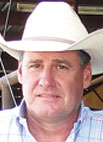
Kent and Clesha Reading run a large cow/calf operation in Ozark, Ark. They use fall calving with Angus, Charolais and Black Simmental bulls with their commercial herd. Kent prefers Angus and Black Simmental in order to get black calves and Charolais to help produce a good crossbred mix with greater thickness, pounds and muscle. The Black Simmental also contribute greater muscle mass. Calves are sold at 600 pounds after working them in the spring for worms, lepto, castration, black leg, and respiratory issues with a six-way respiratory vaccination.
Breeding a Healthy Reputation
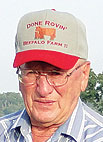
While a young man, Larry Hacker worked for a poultry company and met a farmer’s daughter named Nelda. Larry said, “At the time she was still a freckle-faced kid in the eighth grade but soon turned in to the beautiful young woman I married.”
300 Days of Savings
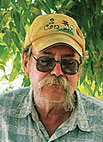
When Garry Clements read about the 300 Days of Grazing System four years ago that was being implemented on beef cattle farms, he decided the program could work with his kids, as well as the rest of the goats browsing on his 70-acre farm. Tin Can Hill Ranch, located in Damascus, Ark., has continued to see savings and herd health benefits ever since.
Catering to a Minority
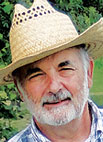
The road that brought Mike and Mary Jo Green to raising and selling locally grown sustainable sheep was paved with a love of good food. While Mike was raised in New York and Mary Jo in Arkansas, the couple met at a party in California. Wanting to impress the young lady, Mike invited her to go horseback riding on their first date only to discover Mary Jo owned her own horses. The ploy worked however, because the couple married.
Closing the Consumer Gap
There is a cultural distance when it comes to agricultural producers and consumers. More than ever consumers want to know what they are eating; meanwhile, most are still disconnected without concern and/or buy without a choice. Connecting consumers to beef stock production is taking on a marketing profession all on its own. It is not as simple as welcoming consumers to the ranch or farm to see for themselves; it is taking the lifestyle to others through education. It also means showing others near and far how to manage their agricultural choice, especially with the large amounts of livestock and produce imports entering the U.S.
Not just Ag in the Classroom
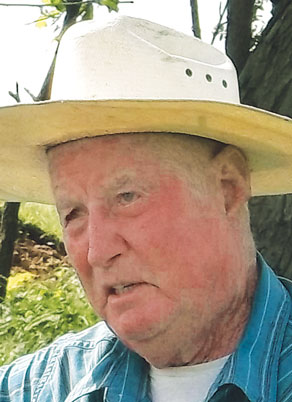
Bobby Doyle and his wife, Jane, own 238 acres in Stilwell, Okla. “I have 100 momma cows and babies, five in service bulls, 24 for sale bulls ready for service in November of this year. I sell nothing but registered Angus bulls,” Mr. Doyle said. He keeps meticulous records for all his cattle. “I don’t release records for any females that I sell. They are all sold as commercial breeders if I sell any at all,” he said. “I’m not such a stickler for bloodline but I am very critical about conformation. I look for a lot of hind quarter. I look for a lot of meat. I want to see a wide top line. I want to see a straight bottom line and straight top line. The only one I sell is one that goes bad or one that does not meet my conformation specifications.
The Commercial Hookup
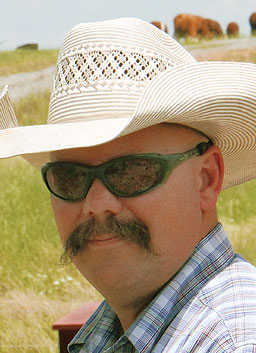
“It’s a little over 100 miles just to check all of the cattle today.” To say Beechfork Ranch is spread out, is an understatement. Shawn Burgess, Manager, gave Ozarks Farm & Neighbor the lay of the land for their operations, “We have headquarters here in Prim, Ark. We also have land and leases in eastern and southern Cleburne County and several hundred acres in White County. We grow out some replacement heifers down in White County, too. That trip doesn’t count the horse and cattle operations down in Weatherford, Texas, and then we have the herd out in Magdalina, N.M. With only five full time employees here, we stay pretty busy.”
Thriving in the Past and Present
On the to-do list of Gary and Melissa Holland of Gentry, Ark., is checking records to determine if their farm is already a century farm. Gary’s grandfather bought the house and 20 acres around 100 years ago. The house has been home to five generations of Hollands and is currently the residence of Gary’s son and family with Gary living in his own home on the original plot.
A Sustainable Retirement
Planning for retirement entails a financial or lifestyle plan; or it contains both. The desired choice is one that does not involve more years of hard work. The hopeful aspect of retirement is that there will be enough funds to continue the current lifestyle or to make a better one. Retirement takes preparation whether it is through an employment plan or years of saving, reaped of hard work. Most farmers and ranchers know the hard labor and countless hours involved in maintaining a successful operation. Choosing farming or ranching as a retirement choice can be lucrative or ultimately just hard work, or again – it can be both.