
Hybrid vigor with the Brahmans has helped develop cattle that are in demand
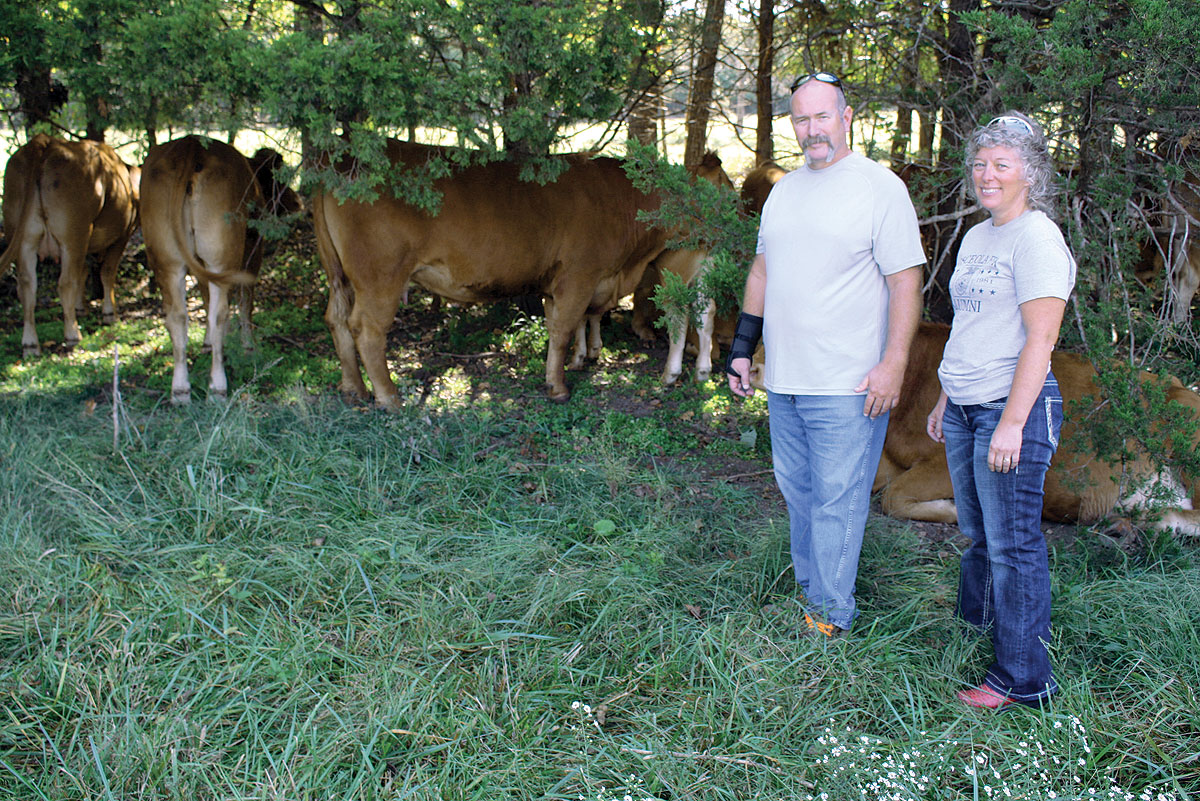
STOCKTON, MO. – Judith Freeze knew they had to make a change. It was a difficult choice, but she and her husband Kevin couldn’t keep watching their cattle suffer on their farm in Stockton, Mo. After seeing large portions of their herds come down with pink eye while also dealing with the ever-changing weather in Missouri, the Freeze’s decided it was time to move on to something different.
“We had started noticing that our commercial herds were having pest issues with pinkeye and flies, and the heat was starting to bother our commercial herds,” Judith said. “So my husband and I just sat down and were discussing it, and said maybe we should try some Brahman cattle and see how that will help.”
With Kevin laid up at home with a shoulder injury, Judith headed to a bull sale with her daughter and mother-in-law to go shopping. They found a couple of Brahman bulls that were in their price range and bought their first of what would become many.
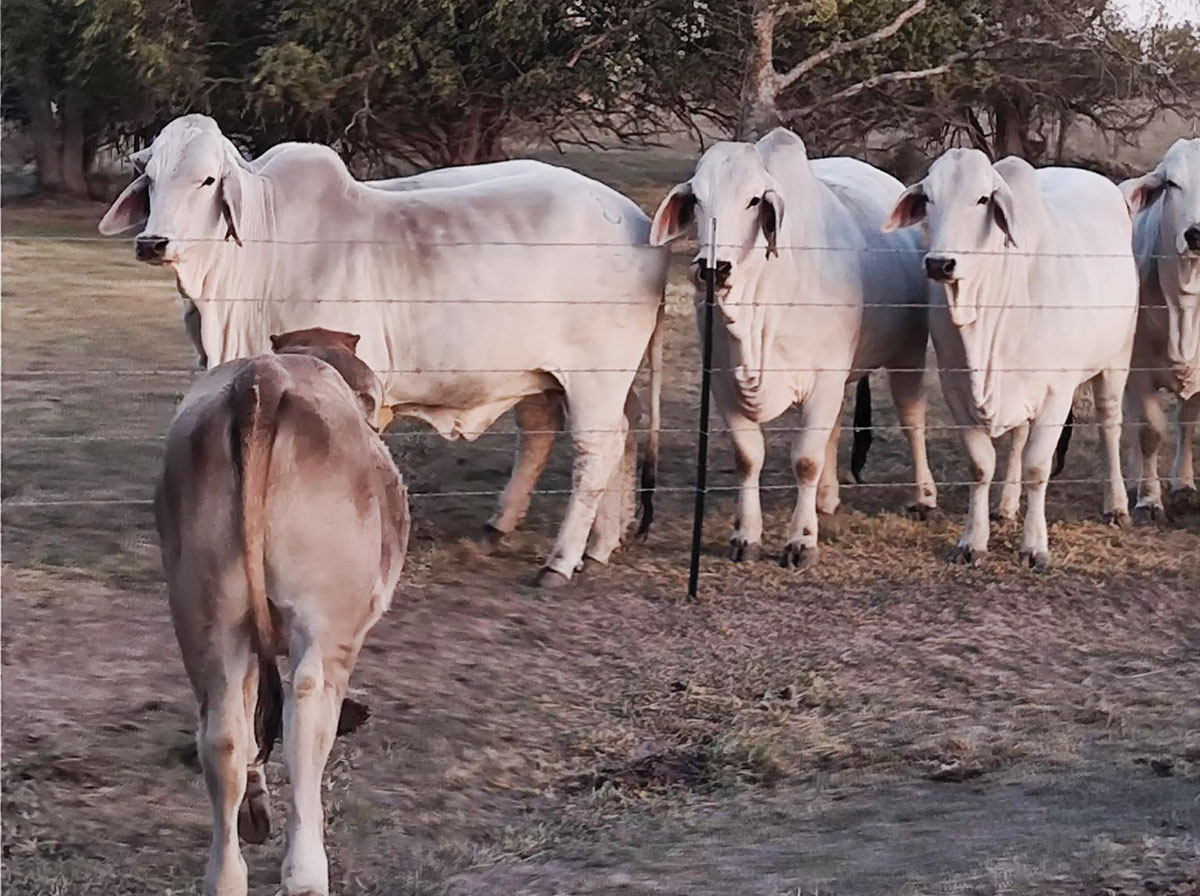
“We purchased our first two bulls, which came up from Circle F Farms in Baxley, Georgia. The reason we picked them is that they didn’t look like your traditional Brahman. These were really thick, deep, meaty Brahmas that had a little less ear, a little less sheath, and hanging skin on them. We were like, let’s try these.”
Those were the qualities they were looking for in the first bulls they purchased.
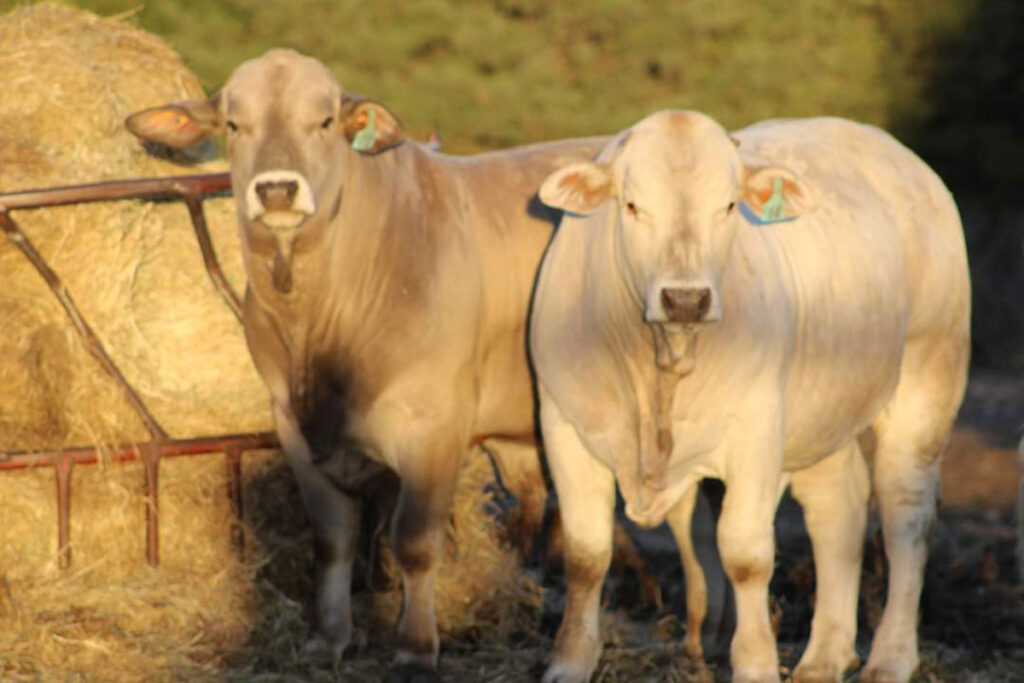
“I fell in love and was absolutely blown away,” Judith said. “We had them on just some commercial cows to begin with. I had just purchased a herd of Charolais that were full blood, but not registered. Even some of them in the heat of summer, even though they’re white, they were still heading for the woods on those 110-degree days that we now seem to be getting here in Missouri. Those Brahman calves weren’t. In the middle of the day, 2 or 3 p.m., standing out in the middle of the field, just grazing like crazy, not a fly on them. No pink eye, no nothing. We were hooked.”
That was six years ago and from that moment on, the Lone Wolf Ranch slowly began the process of phasing out the other breeds and focusing on Brahman.
“Everybody told us we were crazy,” said Judith. “They’re like, you know, you have to be Angus. You’re going to get slaughtered at the market. We we’re kind of willing to take a hit because I’m not dealing with the stuff you all are dealing with.”
However, that hit never came. In fact, after they took their first Brahman cross herd to the market in Joplin, they got a solid price. But more importantly, they quickly found out how people really liked their product.
“We took about a 10-cent hit on them for being Brahman. But after that set got into the big feedlots, they called up Jackie Moore of Joplin Regional Stockyards, because we always sell through Joplin. They called him up and said, ‘We want more of these. Where are they coming from?’ Because again, they get out there in the heat of the summer, and they just eat and go crazy. Nothing bothers them being half-bloods. Jackie called us up and he said, ‘Look, I’m telling you, save them until they’re about 800 pounds, then bring them to me. You won’t see a difference in price. And he wasn’t wrong. And that’s what we’ve done ever since. We get them good and bunk broke for the feedlots. We sell them about 800 pounds, and I sell within two cents of the top of the market.”
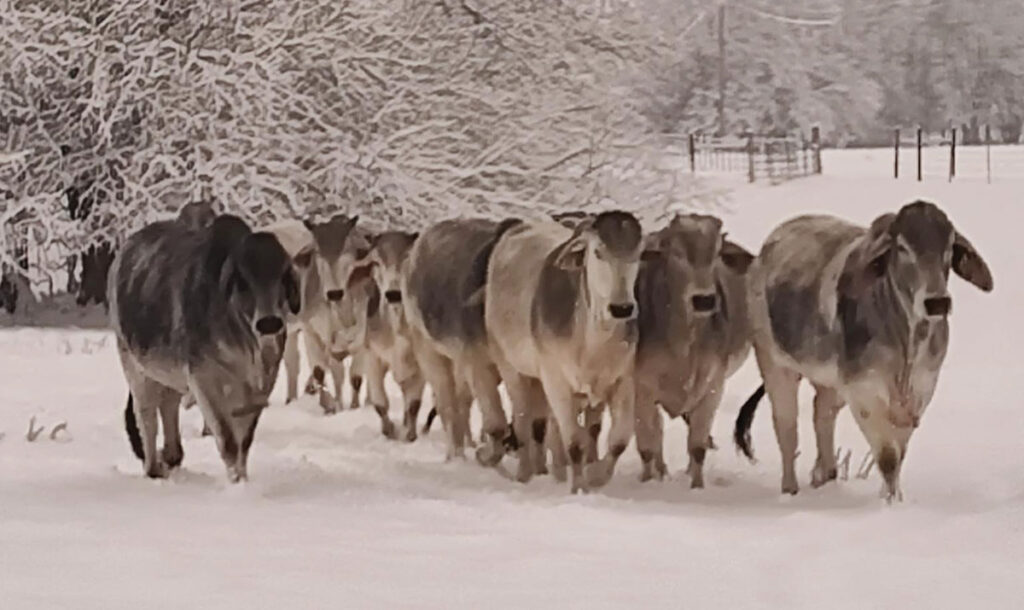
Currently, of their 100 head of cattle, 50 percent are Brahman with 15 Brahman mothers, according to Judith. The Lone Wolf Ranch is focusing on replacement heifers on their farm in Stockton.
“What we decided three years ago was we bought a small herd of full-blooded Hereford cows to make some Brafords,” Judith said. “I fell in love with them and the Charbray.”
According to Judith, with Brahman cross calves, they are weaning off calves that are 100 to 150 pounds heavier than traditional cattle breeds due to the hybrid vigor from the Brahman cross.
“So even when we sold calves straight off the cow and getting lower prices due to the calves being Brahman cross, we were still bringing in more money per animal due to the heavier weights, for calves the same age,” said Judith.
“Our customers keep coming back to us because we have proven that our F1 Brahman cross cattle will cut out and taste just as well as a Prime cut Angus. I have a list now of people waiting for butcher animals because I’ve proved it to them. Our Brahman herd is based off of carcass and maternal driven data. We only buy Brahman that are high scoring in those traits. We went after the carcass genetics, not just any old Brahman.”
The success of the Brahman crosses hasn’t totally convinced the Freezes’ neighbors to abandon the pure Angus herds. But she believes that at some point, every cattle ranch in Missouri and the surrounding areas will have to make a similar decision as they did.
“I really truly believe in the state of Missouri, especially Southwest Missouri, and here across the South, everyone’s going to have to go to some sort of Brahman cross for the animals to survive and thrive here,” said Judith. “It’s just getting too hot for the purebred dark animals. In our situation, I couldn’t watch these animals suffer anymore. We had to figure something out, and it just happened to be in front of the curve.”