


Preserving the operation for future generations
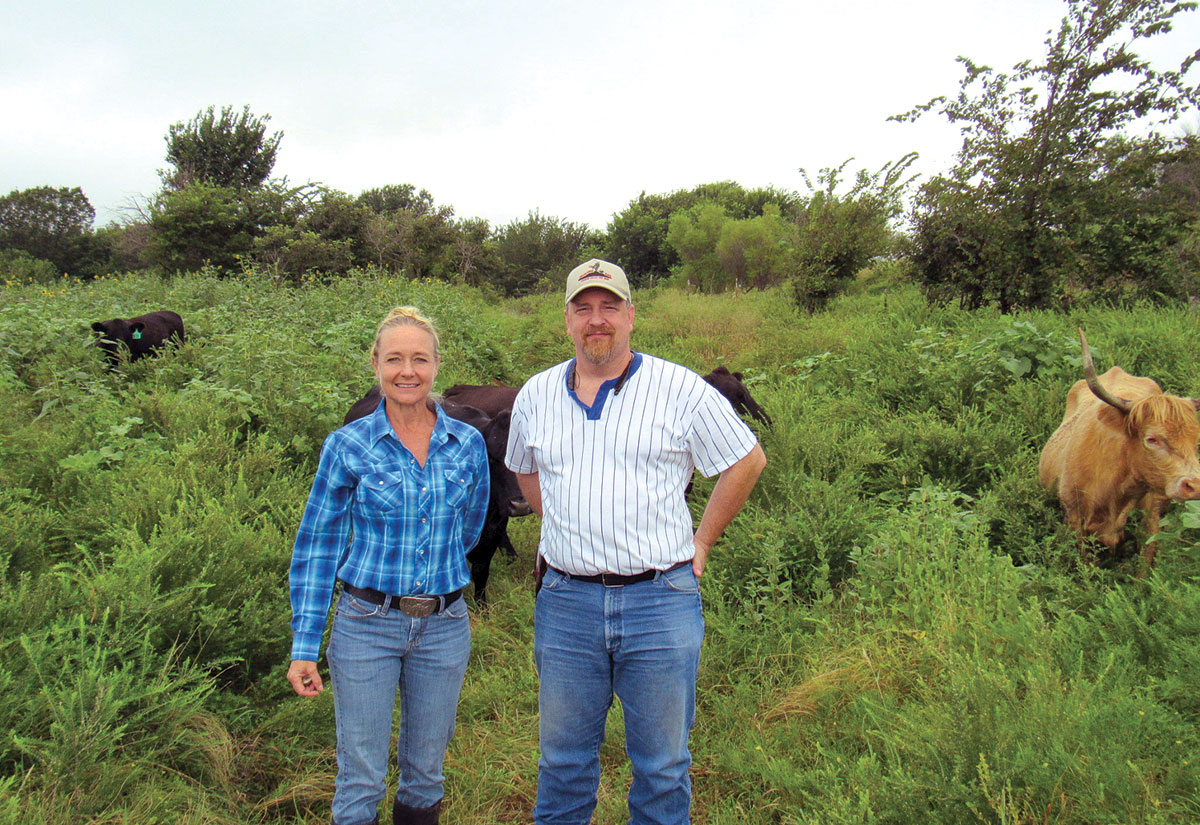
WELCH, OKLA. – For Gary and Sandy Layton, ranching was never just a career – it was a way of life built on family, hard work and a commitment to preserving a legacy for future generations.
Located west of Welch in Craig County, Okla., Layton Farm operates as a cow/calf enterprise consisting of approximately 550 Angus-based cows and replacement heifers. The family utilized Angus bulls and spent decades developing the genetics and management practices that fit their operation. In recognition of his dedication to the cattle industry, Gary was named Angus Commercial Producer of the Year in 2017 and currently serves on the board of the Ottawa-Craig County Cattlemen’s Association.
The operation spans approximately 3,000 acres of owned and leased ground. Gary’s roots in agriculture run deep, having grown up working alongside his father and grandfather. He recalled baling alfalfa at just 9 years old on a Farmall Super H tractor and purchasing his first cows at age 14.
In the late 1960s and early 1970s, Gary worked with his father, the late W.J. Layton, raising wheat and soybeans while operating a cow/calf and stocker program. By the late 1970s, the family shifted its focus entirely to cattle. Gary later spent time working in a local feedlot and in the coal mining industry before returning to ranching full time.

Gary and Sandy married in 1985 and purchased their first home and 80 acres just a half-mile from where Gary grew up. By 1987, Gary had committed fully to ranching, gradually expanding the operation through land purchases and leases.
Together, the couple raised four children while building their ranch from the ground up. Sandy spent 22 years working at a local bank before opening a florist and gift shop in town. Today, the Layton family includes 11 grandchildren and one great-grandson.
The ranch stays busy year-round. Each spring, Gary and Sandy calve approximately 250 cows and 50 to 60 first-calf heifers before processing calves, administering vaccinations and preparing for the growing season. Fertilizing and spraying pastures become the focus throughout April and May, while June marks the beginning of hay season. The family bales approximately 600 acres annually. Fall calving brings another 125 cows and around 20 first-calf heifers into production, while 90 to 100 replacement heifers are retained each year.
Life on the ranch comes with its share of challenges.
“There is always something to be done,” Gary and Sandy said. “Harsh winters, drought, high feed costs, fertilizer and spray expenses sometimes make you rethink what you’re doing. But the love for the industry is what keeps us going. There’s nothing better than seeing a newborn calf hit the ground or smelling fresh-cut hay.”
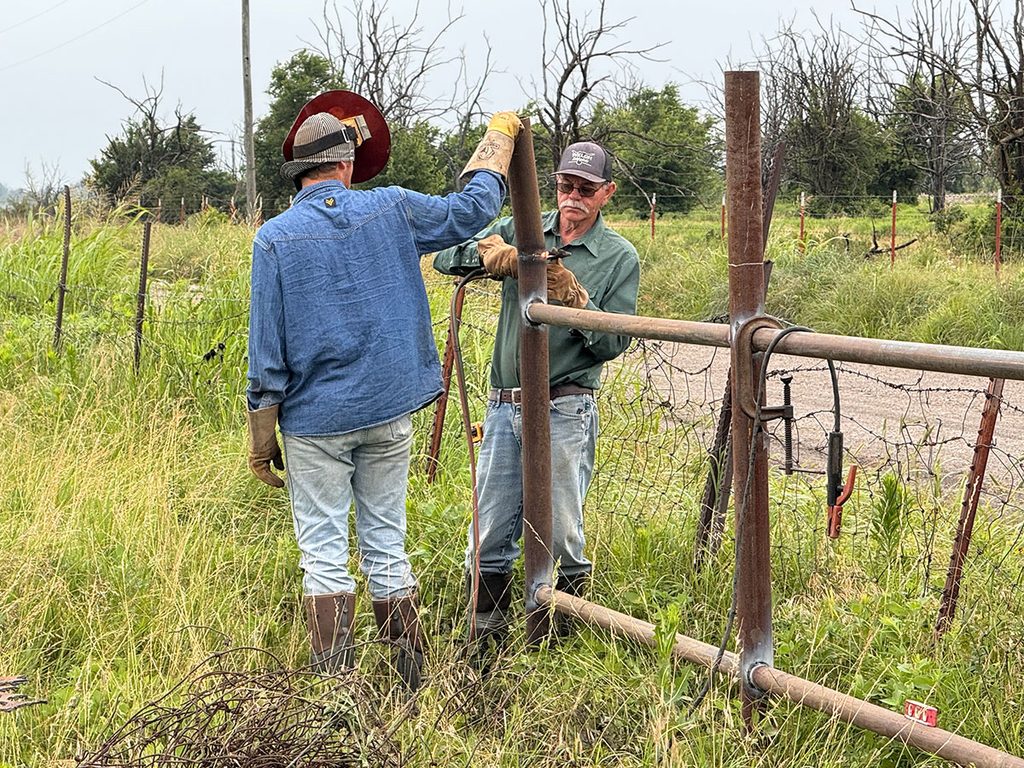
The operation does not employ a full-time hired hand, relying instead on a close network of neighboring cattlemen who help one another when needed.
During calving season, days often begin before sunrise and end long after dark.
“Lots of driving,” Gary said. “We have 18 pastures to feed and check every day. During bad weather, things get a little hectic. You’re bringing calves in to warm them up, chopping ice and doing whatever it takes to keep things moving.”
Weather remains one of the biggest challenges on an operation of that size.
“Drought conditions can force you to make difficult decisions about moving cattle and managing water supplies,” he said. “We’ve installed water tanks to help, but then you have to check them daily and keep up with maintenance. There is always something that needs attention.”
Gary and Sandy describe their land as a blessing, featuring native grass, Bermudagrass and fescue spread across draws and open pastureland. Ponds and creeks provide much of the operation’s water supply, making pasture management, fertilization and weed control critical components of the ranch’s success.
The family’s commitment to quality cattle remains a priority. They retain their own replacement heifers and place significant emphasis on selecting quality Angus bulls from trusted operations each year.

“Angus cattle are easier to market, and we’ve built the genetics we’re happy with,” Gary said. “We like a solid black or baldie cow, and we put a lot of emphasis on the bulls we use.”
Advances in technology have helped improve efficiency across the ranch over the years.
“It used to take several people to work calves,” Gary said. “Now our hydraulic chute and facilities make the process safer and less stressful for both cattle and people. Hay equipment has improved too, allowing us to get more done in less time. Of course, those improvements come with much higher costs.”
The family’s commitment to preserving the operation for future generations played a major role in a decision that generated discussion throughout the community.
In February 2023, Gary and Sandy were approached about signing a wind energy lease. Initially hesitant, they eventually began looking at the opportunity through the lens of succession planning.
“We started thinking about our ranch and the hopes we have of our kids and grandkids being able to keep the land,” Sandy said. “We’ve worked long hours, taken risks and made sacrifices to get where we are today.”
Like many rural families, the Layton’s watched their children leave the area after graduation in search of career opportunities.
“There simply aren’t enough jobs here, and our ranch isn’t large enough to support multiple families,” Sandy said.
The couple hopes income generated through the lease can help future generations maintain the land, fences and infrastructure required to keep the ranch operating. Their oldest granddaughter and her husband has already returned to the area and are learning the day-to-day responsibilities of ranch life while building a small homestead of their own.
For Gary and Sandy, the lease represented an opportunity to help ensure the farm remained in family hands for years to come.
“It isn’t about trying to change the land,” Sandy said. “It’s about trying to save it.”
The decision did not come without criticism. Some neighbors expressed concerns about the appearance of wind turbines and their potential impact on health, livestock and rural communities. However, Gary and Sandy believed many of those concerns stemmed from misinformation.
“I can assure you people aren’t trying to destroy their farm ground,” Sandy said. “They’re trying to save it. No one would sign a lease if they believed it would harm their family, livestock or operation.”
The Cabin Creek Wind project leased more than 32,000 acres from over 50 landowners, including approximately 1,500 acres from Layton Farm. Construction could begin as early as 2028, and the project is expected to provide additional tax revenue for local schools and communities.
Sandy also became a strong advocate for property rights, spending time at the Oklahoma State Capitol discussing issues affecting rural landowners.
“This is about property rights and opportunity,” she said. “Every farm family has to make the decisions they believe are best for their operation and their future.”
Whether discussing cattle, family or the future of their ranch, one thing remained clear: Gary and Sandy’s dedication to agriculture never wavered.
“It’s not just a job,” they said. “It’s a way of life. We’ve faced challenges, made sacrifices and worked through difficult times. But being where we are today makes it all worthwhile.”