
Communication is the key when sharing fence lines
Fencing laws often fall into a grey area amongst farmers and ranchers. Staying educated on fencing laws is extremely important for farmers who run cattle, sheep, or other fenced livestock.
Oklahoma State University Extension Agent Lizzie Chappa has done academic research on the topic of fencing and hopes to expand others’ understanding.
Different states have different fencing laws and regulations. However, agriculturists with livestock on pasture, or people who live in rural areas may want to consider brushing upon their understanding of fencing laws.
“I would encourage people to read up on your states’ fencing law and ask trusted neighbors who are farmers and ranchers about their methods of fencing,” said Chappa.
Perhaps an animal gets out, and it gets injured, or damages someone’s vehicle because it gets hit by someone driving down the road. Chappa explained that animal owners have a responsibility to keep their animals safely fenced in.
“It is technically the livestock owner’s job to ensure their animals are in proper and adequate fencing,” said Chappa. “It is important to make sure you are checking your fence daily or at least weekly and fixing holes right away.
According to the National Ag Law Center’s website, in both Arkansas and Oklahoma, it is against the law to remove a fence without notifying your neighbor. If you decide to remove the fence you are expected to send a letter to your neighbor explaining what fence you are wanting to remove and why, you have 30 days to gather consent before doing so.
“Keeping good communication with neighbors, and those you share a property line with is vital to maintaining the peace,” said Chappa.
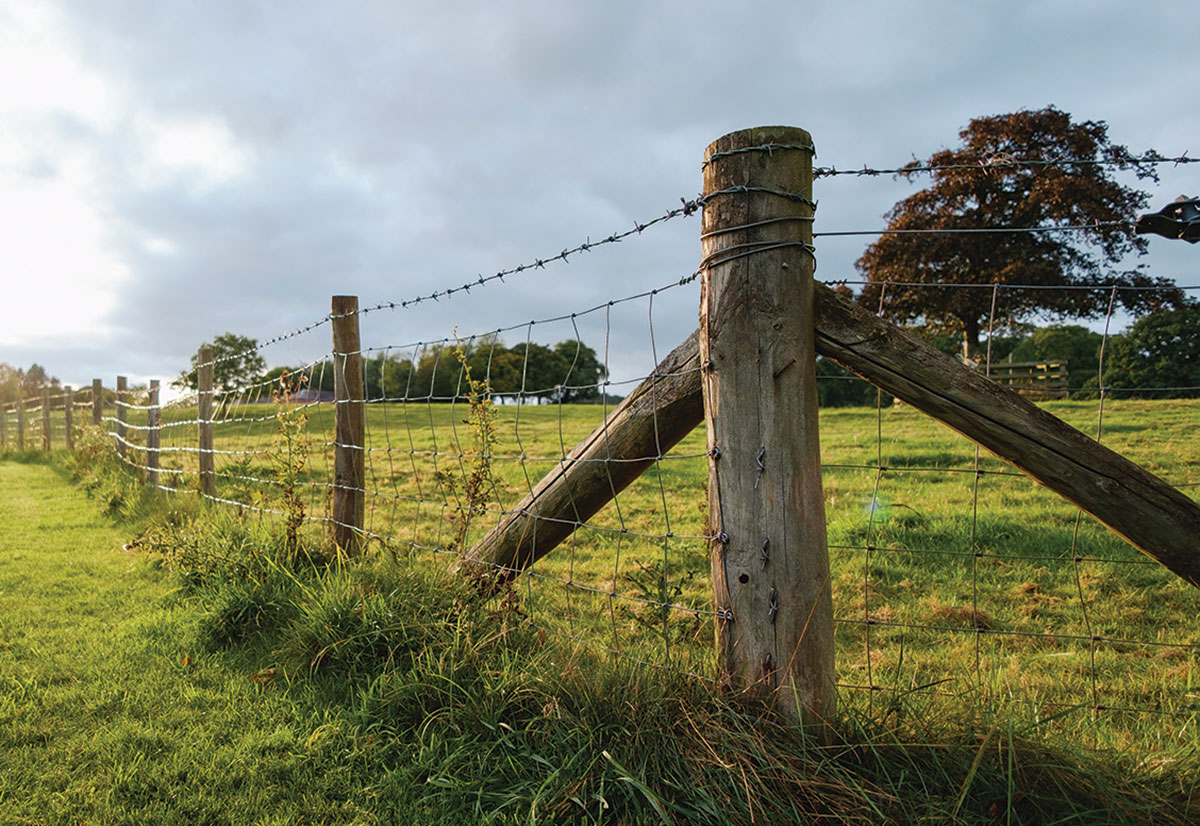
On the flip side, there are multiple different types of fences farmers can implement. Five strand barbed wire, six strand barbed wire, and hot wire fences are just a few different fencing methods.
“I like to use a 6-strand barbed wire fence, as it has worked best for our cattle. However, we use a single hot wire fence for our horses. It has always worked well for us, but we fix things right away when it is broken,” said Chappa.
Cattle rarely get out when it’s convenient. The best way to avoid a crisis is to do research and build a fence that will last a lifetime.
If you are looking to expand on your knowledge of livestock fencing practices, you can learn more at nationalaglawcenter.org or email [email protected] with any questions you may have.