
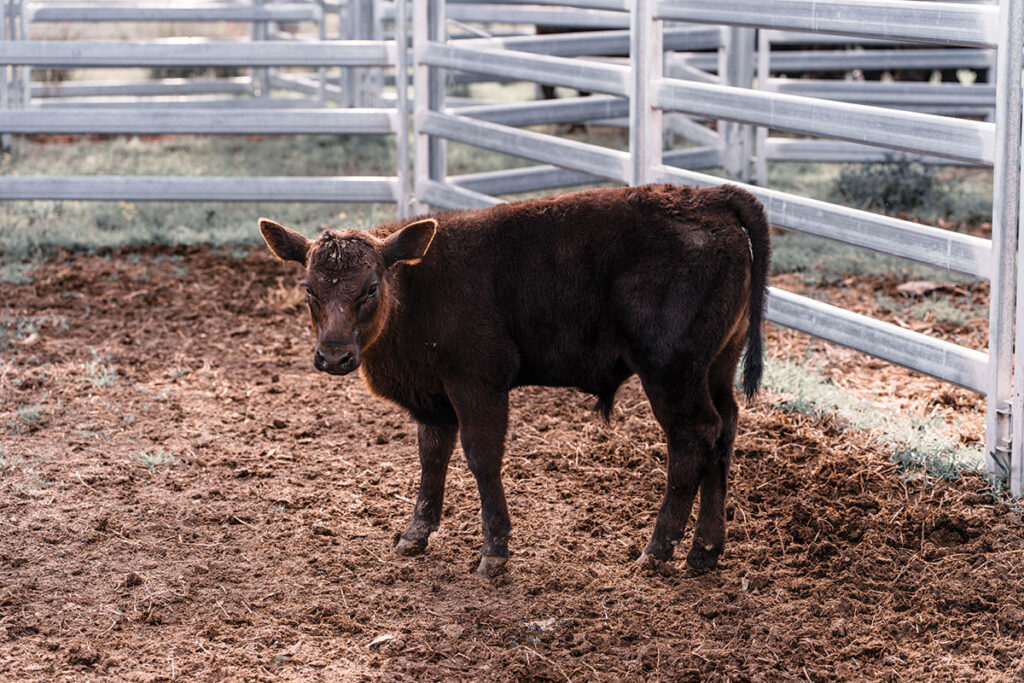
Preparation helps producers handle fall calving challenges
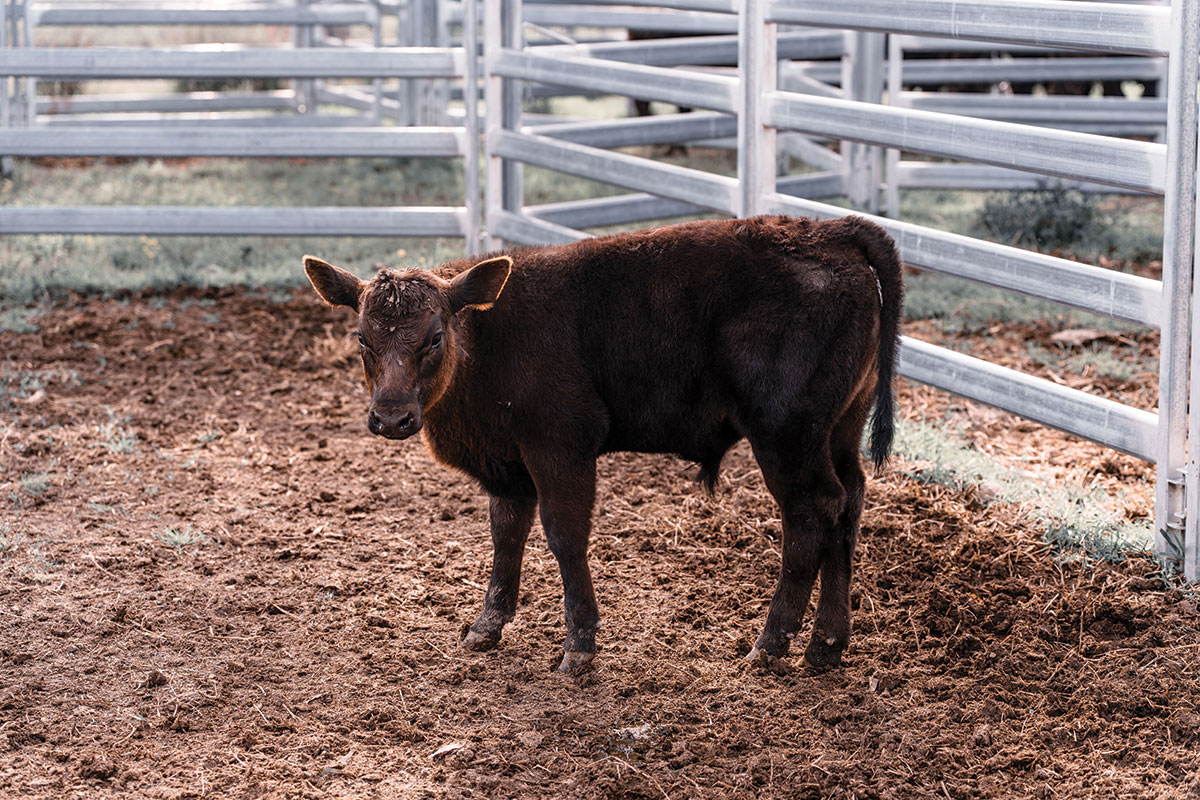
Fall calving season brings unpredictable weather and nutrition challenges, increasing the risk of complications. Being prepared with essential supplies and recognizing distress signs can help producers respond quickly and improve outcomes for cows and calves.
Cattle producers should always have basic supplies on hand, such as exam gloves, hypodermic needles, syringes, a large animal thermometer, soap and disinfectant rinse, along with medications suggested by a veterinarian. When it comes to calving season, there are several additional items producers should have on hand.
According to the University of Arkansas System Division of Agriculture’s Beef Cattle Extension Specialist, Maggie Justice, a few things are sometimes overlooked.
In addition to obstetric sleeves, lubricants, and obstetrical chains and handles, Justice suggested preparing a few helpful items before the first birth of the fall season. This includes large blankets, old towels, a hair dryer or heater and most importantly colostrum and a way to feed it.
“You don’t want to be looking for things when the emergency is happening,” Justice said.
Having a calving kit is not the only way to prepare though, there are several other ways to ensure a herd is ready for fall calving.
“Complications can occur during any calving season, but the fluctuating weather in the fall can increase some of these issues, mostly health issues,” Justice said.
Things like respiratory illness and dystocia – difficulty calving – are a concern during the fall calving season. Providing a herd with the proper nutrients in this seasonal transition can help minimize these complications and improve overall herd health and productivity, Justice said.
“Make sure they have access to high-quality forage and, if needed, supplemental feed,” Justice said. “Do this in advance, as much as possible, so that there isn’t a sudden change in their diet, which can also cause issues.”
Justice also suggested producers have a good relationship with their veterinarian and know how to identify signs of distress in their herd, so they are prepared if things go awry. Some signs in cows and calves that warrant a call to the veterinarian include abnormal behaviors such as being away from the rest of the herd, not eating, signs of respiratory illness or dehydration and showing no progress in calving for over 30 minutes.
“Most importantly, be prepared by having your plan ahead of time. We can’t plan for everything, but we can try to be as prepared as possible,” Justice said.
Producers looking to learn more about preparation for fall calving season can contact their county extension agent.