
Effective finishing practices improve beef marbling in grass-fed & grain-fed beef
Beef cattle producers can enhance marbling through numerous practices, either grain finishing or grass finishing.
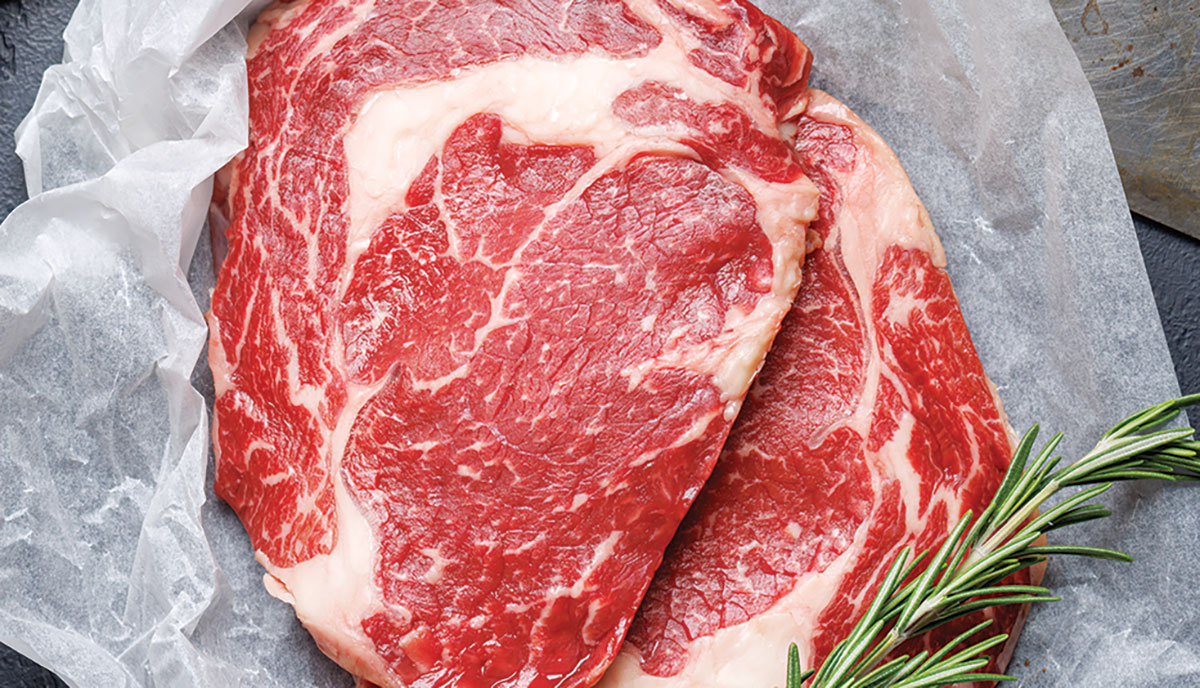
Marbling, also known as fat, boosts the flavor, juiciness and tenderness in beef and is a key factor in delivering high-quality meat to the consumer. While genetics lay the foundation for marbling development, proper finishing is what sets premium beef apart in the market.
Grass-fed beef is becoming more popular and producers looking to improve marbling must focus on forage quality within their pasture-based systems.
“We prefer between 1,200-1,250 pounds finishing weight – this is just a preference, if you push over that you’re more likely to have excess and wasted fat content,” said Payton Shockley, manager of the family owned and operated Walters Beef in Anderson, Missouri.
Grasses and legumes provide distinct nutritional benefits for cattle. Grasses – fescue and ryegrass – offer high-energy forage that supports better weight gain and the development of fat necessary for marbling.
In contrast, legumes such as alfalfa and clover are rich in protein and energy, making them ideal for feeding cattle during the finishing stages to optimize growth and muscle development.
According to Oklahoma State University Cooperative Extension fact sheet, “Cattle finished on a pasture gained one pound less per day than cattle fed high-concentrate diets in confinement.”
Managed rotational grazing makes certain that cattle have access to fresh, nutrient-rich grass to maintain steady growth during the spring and summer.
In the cooler months when pastures are not offering a sufficient grass amount, feeding the cattle haylage or high-energy silage helps to maintain a consistent growth rate and supports marbling.
While forage content plays a key role, feeding grain can increase marbling significantly more over a shorter period, especially during the finishing stages.
“Not only can grain finishing enhance the marbling and up the fat content, but it is also timelier compared to grass-fed which can add on more time when trying to reach that preferred goal weight,” said Shockley.
During the finishing phase, feeding cattle a high-energy grain diet for the final 90-150 days before slaughter helps maximize marbling, especially in breeds prone to higher fat development.
Grain is what provides extra energy, leading to the development of intramuscular fat – marbling – in beef.
A balanced mixture of corn, barley and soybean meal with essential vitamins and minerals supports steady weight gain without excessive external fat.
“We grain finish because of the enhanced marbling and flavor that just isn’t quite there with grass finishing,” said Shockley.
For grass-fed producers, achieving marbling involves effective pasture management, rotational grazing, and supplementing with high-quality forages.
Producers aiming to reach the grass-fed market can extend finishing periods and select breeds with a natural potential for marbling. These tactics can boost results and help produce flavorful, well-marbled beef.