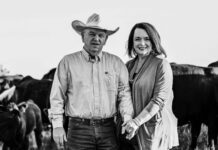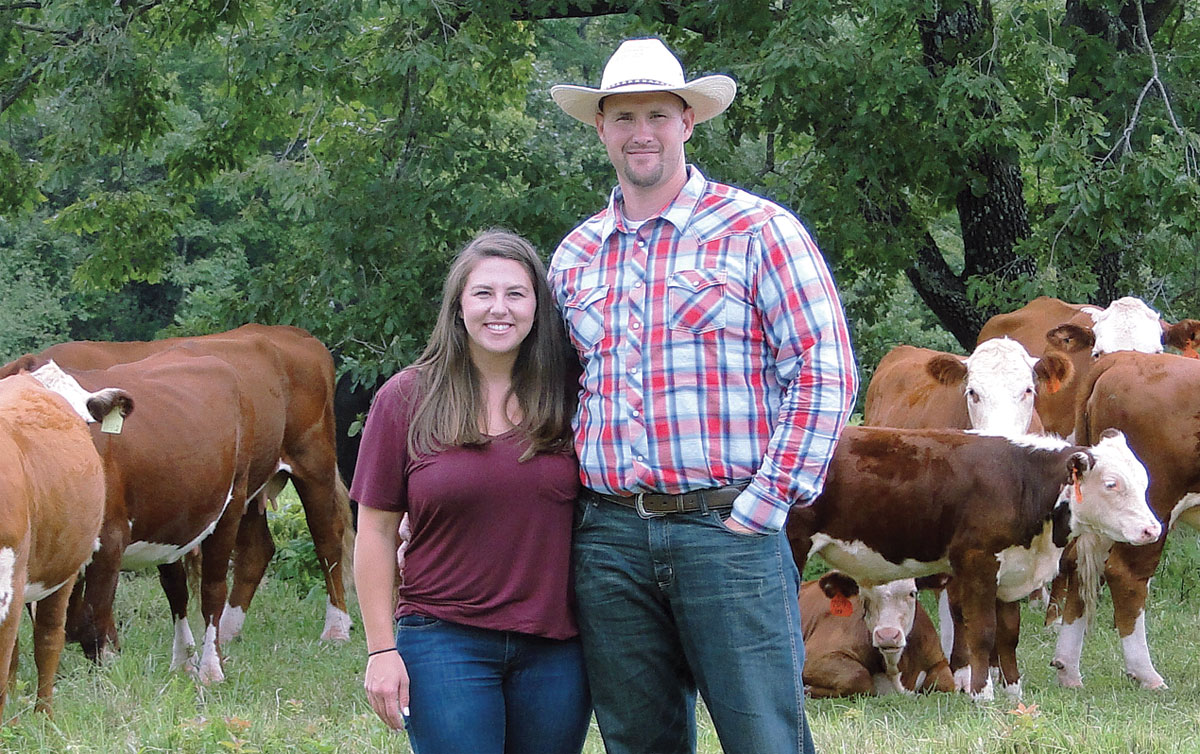

The Hanna Family Ranch is rooted in generations of agricultural experience
FAYETTEVILLE, ARK. – When Will Hanna walks his pasture at dawn, the dew still clinging to the grass and the soft bleats of sheep break the quiet, it’s more than just routine – it’s stewardship.
Sustainability isn’t just a buzzword on the Hanna Family Ranch, it is the backbone of everything they do. From raising premium lamb to harvesting honey and seasonal produce, the Hanna family has built a niche agricultural enterprise that blends tradition with innovation. Their model proves that small farms can thrive when rooted in the right place.
“We are lucky enough to be in a place that has such an active restaurant scene,” said Will Hanna, who runs the operation alongside his family. “The majority of restaurants in Northwest Arkansas are always open to trying something new. This location is ideal for what we do.”
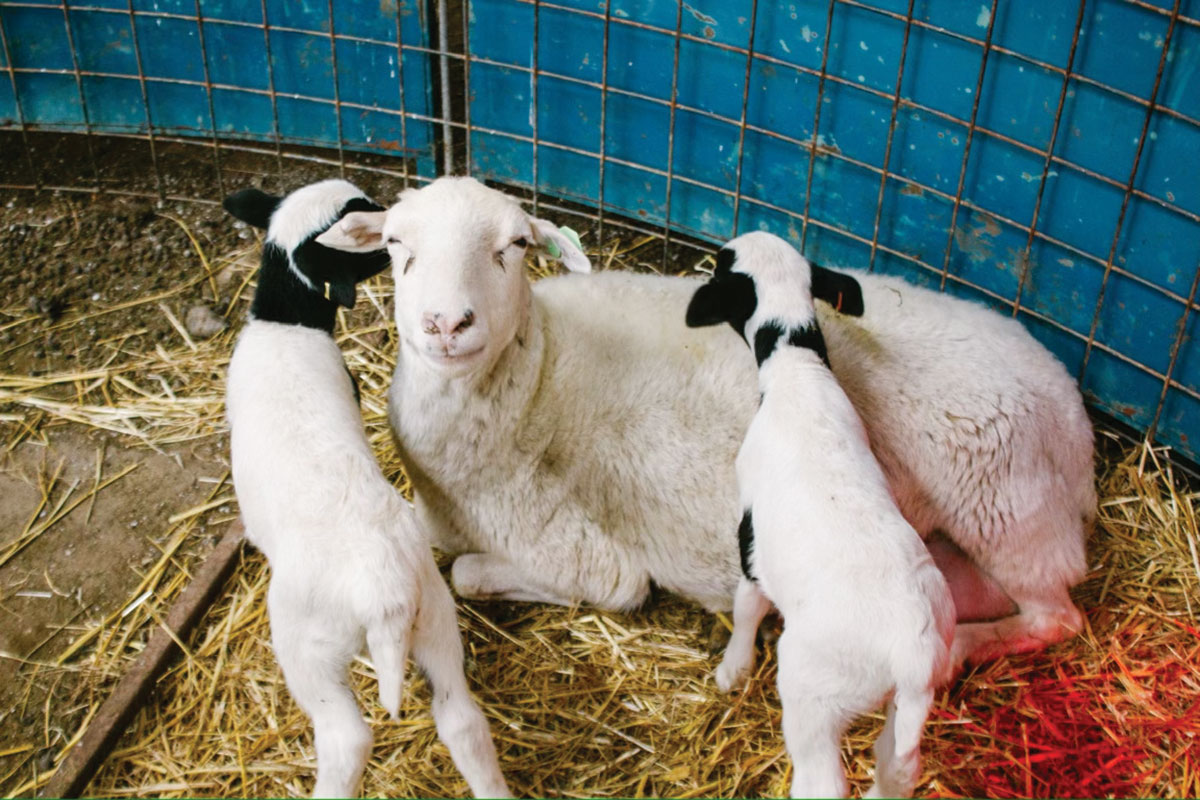
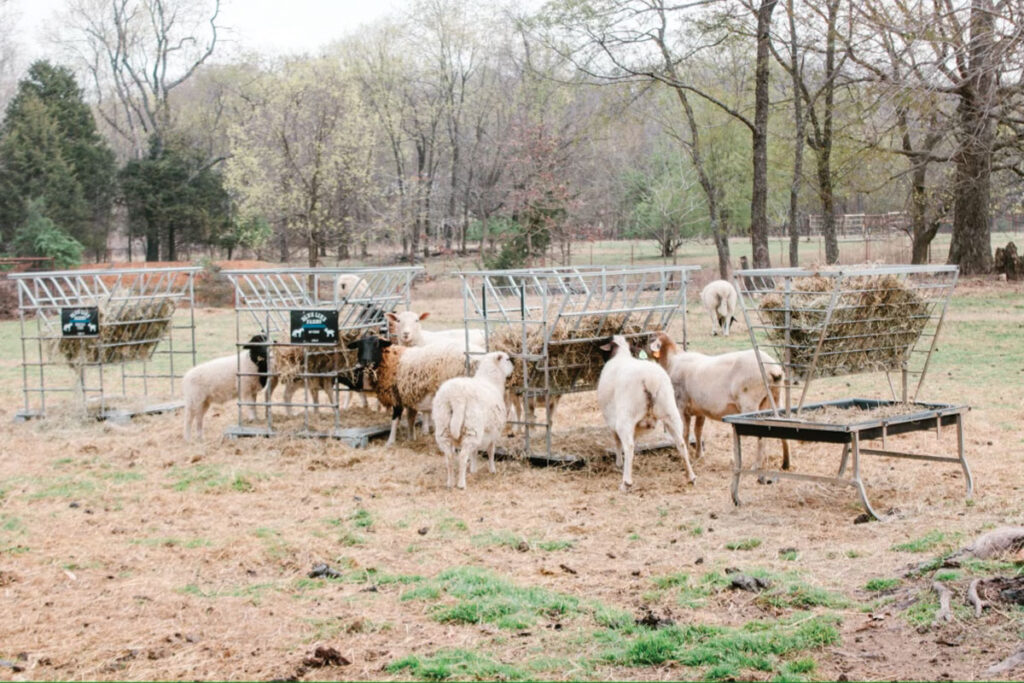
At the heart of the Hanna Family Ranch near Bentonville, Arkansas, is a thriving sheep operation. With a flock of around 200, the Hannas prioritize animal welfare and meat quality through pasture rotation, careful breeding, and daily hands-on care.
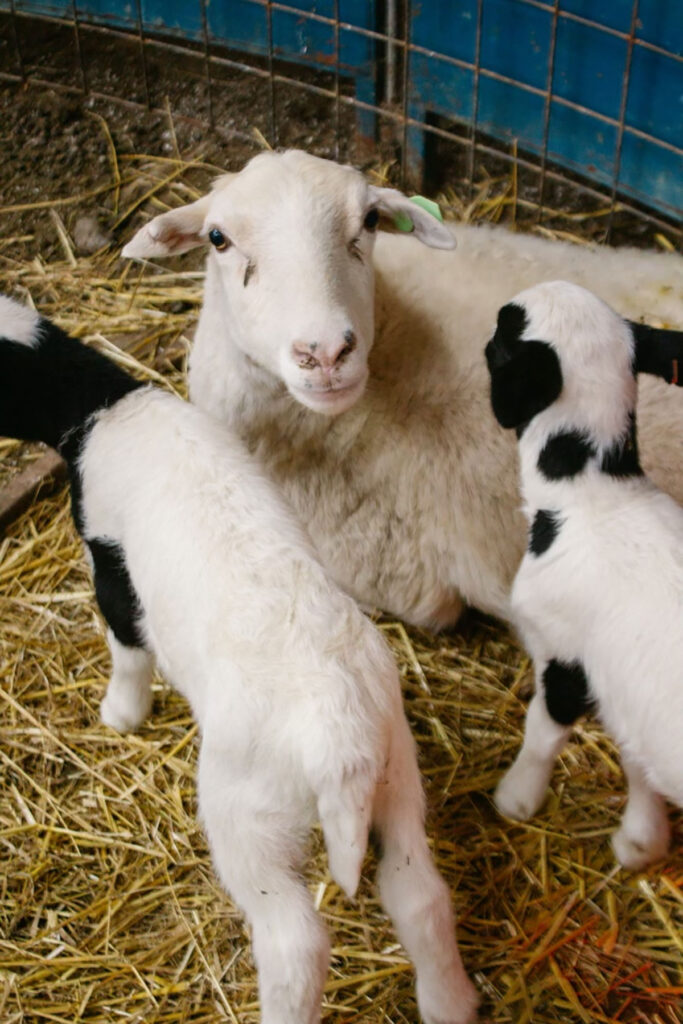
“The fact that we are a niche allows us to operate with these practices and still be feasible,” Hanna said. “Not to knock [large farms], but they are just unable to be as meticulous. They have to focus on producing quantity. We are a niche farm. We’re fortunate enough to be able to interact with every sheep.”
That close interaction allows the family to maintain a low-stress environment for animals, resulting in healthier livestock and better-quality lamb meat.
Just steps from the sheep pasture, four active beehives hum with life. More than just a source of local honey, the bees play a critical role in pollinating the farm’s vegetable garden.
“Bees are struggling as a population,” Hanna said. “They pollinate our garden, and the honey that’s produced sells out almost instantly at Ozarks Natural Foods.”
Their honey is harvested in small batches and is in high demand locally, further proof that intentional, small-scale production can meet both ecological and consumer needs.
The ranch also boasts a seasonal vegetable operation, supplying fresh produce to local markets, grocers, and restaurants. These crops are grown using sustainable methods, benefiting from the on-farm pollinators and conscientious land management practices.
“I want their reaction to be something like, ‘Mmm, where is this from?’” Hanna said. “That’s when we know we’ve done our job.”
The family’s commitment to soil health and seasonal rotation ensures produce that not only tastes better but is grown in harmony with the land.
In addition to managing their operation, the Hannas advocate for a broader mindset among small farmers. Will encourages others to look beyond traditional livestock markets and explore niche demand.
“Small farms should explore other markets aside from just livestock,” he said. “I know lots of people who are looking for quail or duck eggs due to allergies. There’s definitely a market to be explored there.”
Rooted in generations of agricultural experience, the Hanna Family Ranch continues to evolve without compromising its values. Through stewardship, sustainability, and community connection, the family has created a model that other small farms might aspire to follow.
“It’s about working with the land, not just on it,” Hanna said. “If we do this right, this land will take care of the next generation just as it has taken care of us.”