
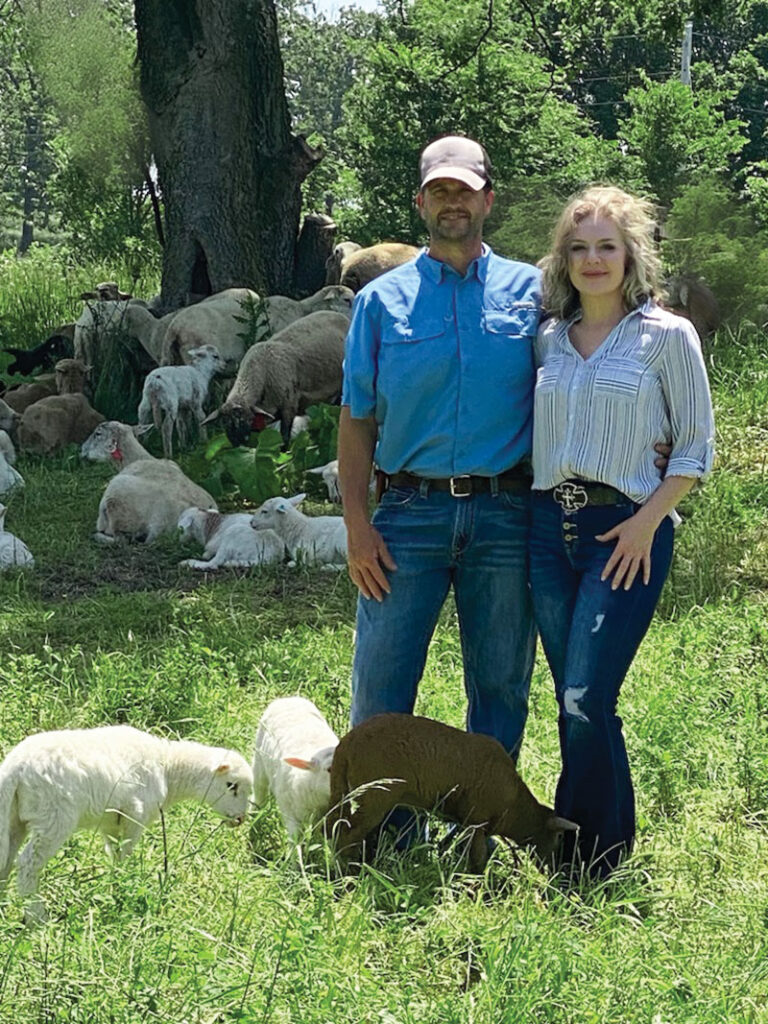
Holistic farming and stewardship are the goal for Stan and Coral Oller
LINCOLN, ARK. – When Stan and Coral Oller first started their farm, it had a traditional name: Oller Family Farms. Their farming philosophy and a word that kept coming up in discussions about what they do and how they do it led them to rename their farm about a year ago.
That word was intentional.
Intentional Farms is about 60 acres near Lincoln, Ark., and it “tells the story of stewardship,” Stan said, adding that the family’s philosophy on how they farm is based on Psalms 65:12-13.
“The grasslands of the wilderness overflow; the hills are clothed with gladness. The meadows are covered with flocks and the valleys are mantled with grain; they shout for joy and sing,” the Scripture reads from the New International Version.
Stan, who is also a real estate agent and residential contractor, said that the family kept using the word “intentional” to describe each decision and action that they did on the farm.
“There’s power in a name,” he said. “(The word intentional) seems to help start the conversation.”
The family, which includes the Oller’s four children, works to not only take care of their land and animals, but they document the journey on social media.
“We want to educate and document the stewardship journey,” he said. “I want my stewardship of creation to reflect my commitment to the creator.
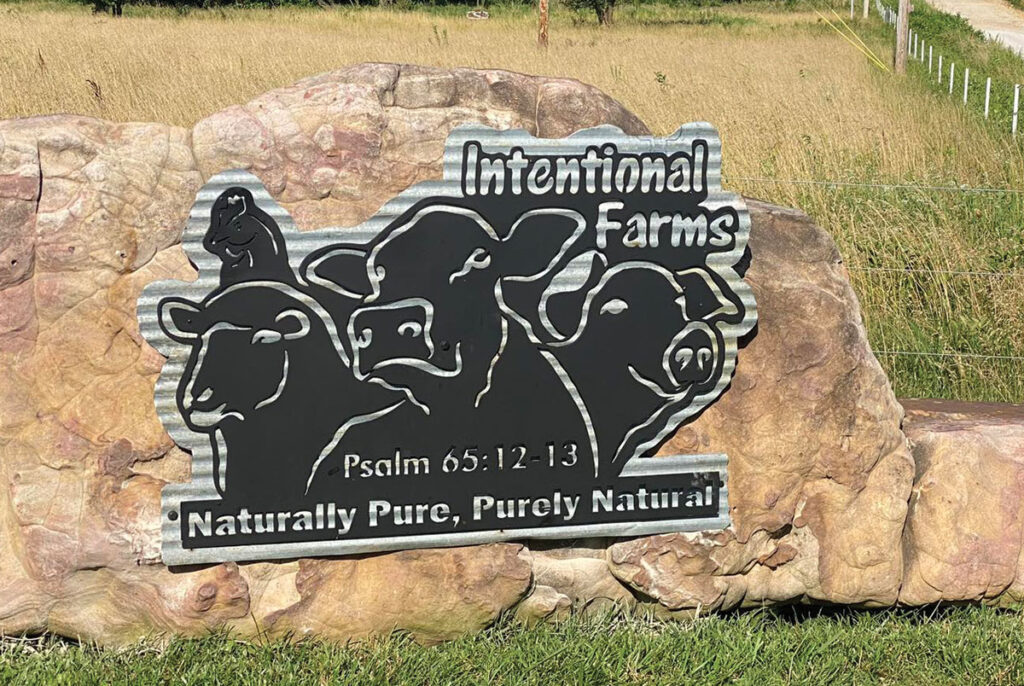
“The verses in Psalms tell the story of how nature and creation function.”
The land they purchased had been neglected for about 40 years so there was a lot involved with bringing it back to life, Stan said. The land had been used as a dumping site over the years and the family has found and disposed of multiple old home sites, more than 340 tires and more than 30 televisions so far.
“There’s been countless loads of debris removed from the farm,” he said.”
Improving the soil health was one of the first priorities.
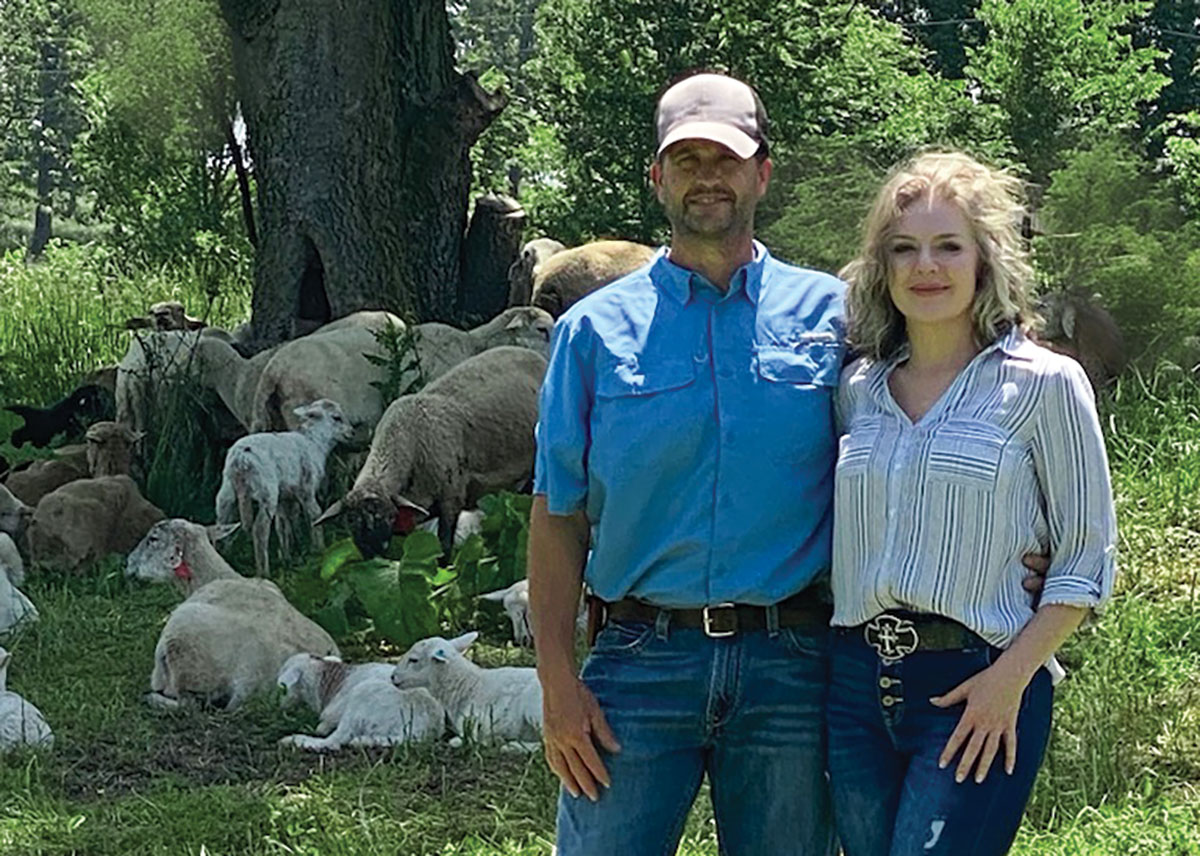
“Soil health was really important,” Stan said. “We needed to do some ‘landscape management’ before we got animals.” When deciding what kind of animals to raise on the land, the Ollers looked at the land they had and other resources that were available. They originally thought cows would be their main focus, but realized that other animals would thrive even better on the various types of vegetation that were available. For example, the sheep thrive on the farm’s blackberry briars and buttercup (yellow flowers).
“It made sense to incorporate animals that fit our diverse forage,” Stan said.
The fact that the animals eat from the land made the soil management all that more important.
“Soil health affects so many things,” he said, adding that the soil impacts the living plants that grow in it. What the animals eat and then what we eat as the finished product matters.
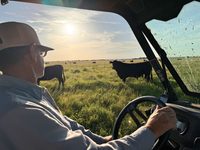
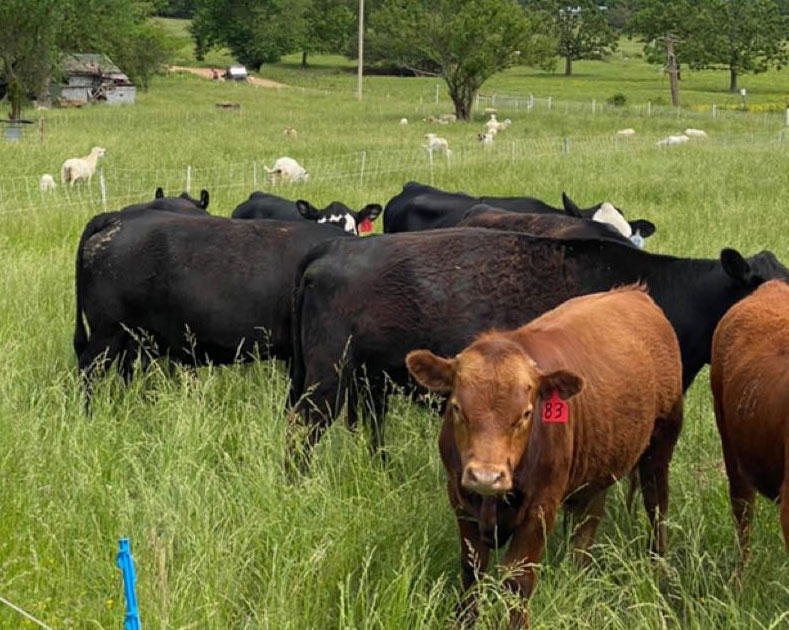
Part of both animal management and soil management is how the Ollers rotate the animals. The cows get moved every day, the sheep every other day, and the broilers are moved twice a day. This gives both the vegetation and soil time to rest and provides plenty of fresh forage for the animals. Stan said their methods also help keep the animals healthy. He’s learned a lot about how to manage the land and animals from some of the great regenerative pioneers, including Greg Judy and Joel Salatin. Having attended Grazing Schools at both of their farms.
“We haven’t had to worm an animal yet,” he said. “Many people ask how the animals are raised. We raise them just like nature would raise them.”
The family uses electric fencing and the hot wire method to create paddocks for the sheep and cattle to naturally move into new feeding areas. All they have to do is move the electric fence and the animals know their new boundaries.
Intentional Farms also has pigs, which are helping clean up the property in the wooded areas.
“They are amazing rototillers and ground foragers,” he said.
Not only has the farmland thrived and grown, so has the number of animals. The family purchased the land in 2020 and in 2021 they started adding animals.
‘We started with three goats and a donkey,” Stan said.
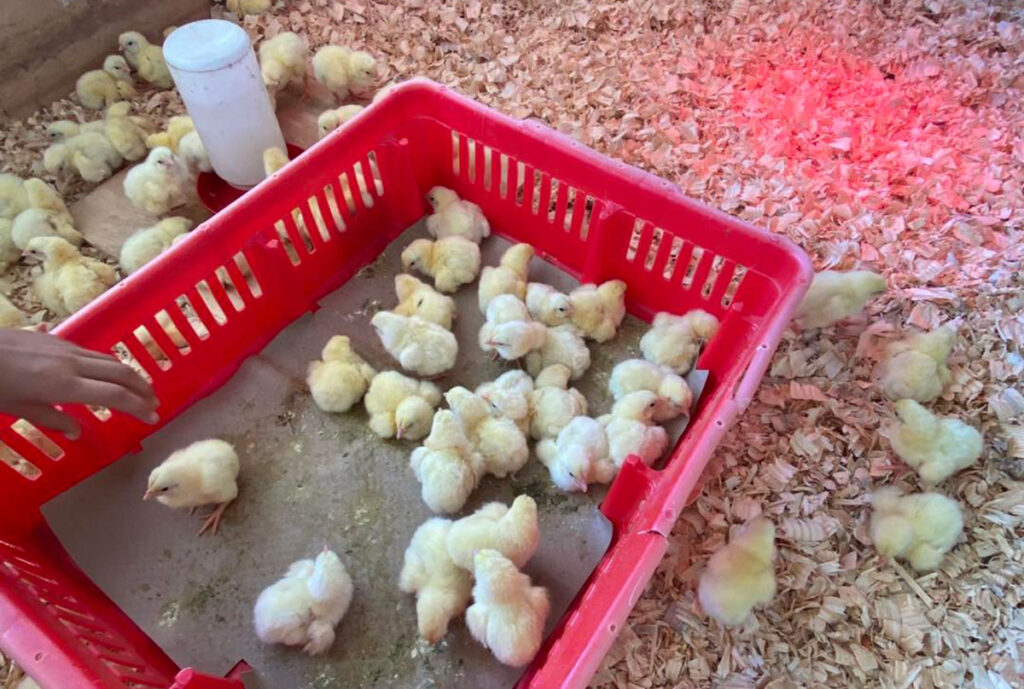
The farm now has 70 sheep/lambs (Katahdin), five beef cattle (South Poll Cross), 10 Forested Hogs (Hereford and IPP Cross), 40 Laying Hens, and about 300 Broilers (Cornish Cross Broilers). All raised on pasture or woodlands.
The family is also intentional in how they sell the meat from their animals. They use a USDA processor and sell mostly through word of mouth and their market store. They hope to have an online store available soon so they can sell to people within a one-day shipping radius.
Another change that is coming soon is the family will be joining the agritourism business by adding two RV sites to their property along with an Air BnB.
“Part of our message about regeneration is helping people get back in touch with where their food is from and nature,” Stan said.
They are also open to other land stewardship opportunities, Stan said. “We will continue to do what we can to make improvements on this property,” he said. “We have been considering and praying about other stewardship opportunities as well.
No matter where they are farming, the family will use the same philosophy. “We intend to leave the land better than we found it.”