

Bringing precision to the pasture
Radio frequency identification (RFID) tags can be a valuable tool when utilized to enhance herd management and adapt to ever-changing technology in the industry.
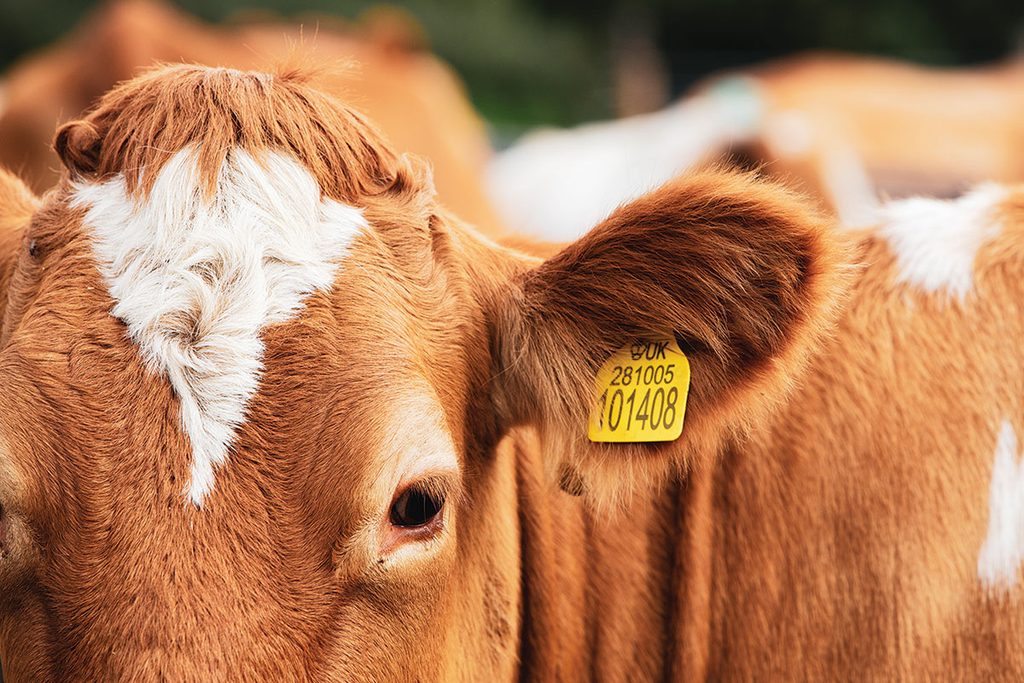
An RFID tag is a small tag that goes into an animal’s ear containing a microchip with a unique identification number. These tags can be scanned with a specific RFID reader that identifies the animal and provides a digital record.
These tags not only provide convenience for record keeping purposes but also serve as a great way to improve the traceability of cattle, which aids in preventing diseases and complying with regulations.
According to the USDA’s Animal and Plant Health Inspection Service (APHIS), a modern animal disease traceability system is the best protection against a significant outbreak. The agency says such a system should track animals from birth to slaughter using affordable technology that allows for quick tracing of sick and exposed livestock to stop disease spread.
As of Nov. 5, 2024, the USDA final rule requires official RFID tags for cattle and bison that move across state lines. While some producers may be used to the old metal ear tags, these new, technologically advanced tags offer benefits for both producers and the industry.
University of Arkansas animal science professor and veterinarian, Jeremy Powell, said using this form of identification could become important for disease control in the near future.
“Being able to trace animals that have been together may become very important if there is a disease outbreak. It will allow us to provide immediate concern to what animals have been exposed, where they have been and what other animals have been at those locations,” Powell said.
According to the USDA website, integrating RFID systems with herd management software allows ranchers to view vaccine history, previous treatments, and even breeding information on all cattle in the herd with just a quick scan. When cattle are sick or injured, it serves as a quick way to identify and navigate problems in the field.
Getting RFID tags for a herd may feel like a daunting change, with high expenses attached. However, there are many resources available to help select the correct RFID system for each herd and to implement it. USDA APHIS recommends that producers should contact their state veterinarian’s office for guidance on choosing approved tags and understanding data management options. Some states (including Arkansas, Kansas and Oklahoma) provide free RFID tags to veterinarians and cattle producers, relieving the financial stress of the technological switch, according to state animal health agencies.
Adopting RFID technology is just the beginning of modernization in the livestock industry. By implementing this technology within a herd, producers can reap the benefits of improved herd health and efficiency, remain in regulatory compliance, help prevent the spread of disease, and promote traceability.