
How to incorporate a burn plan to control invasive species
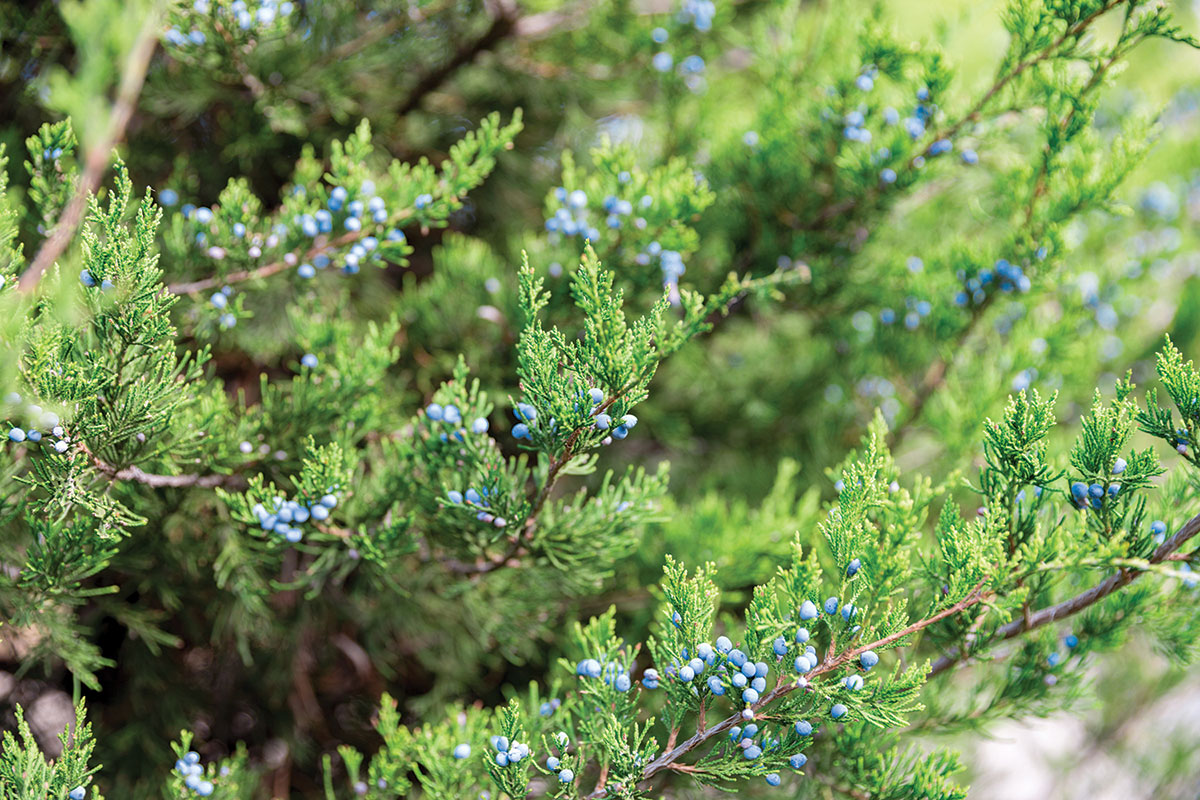
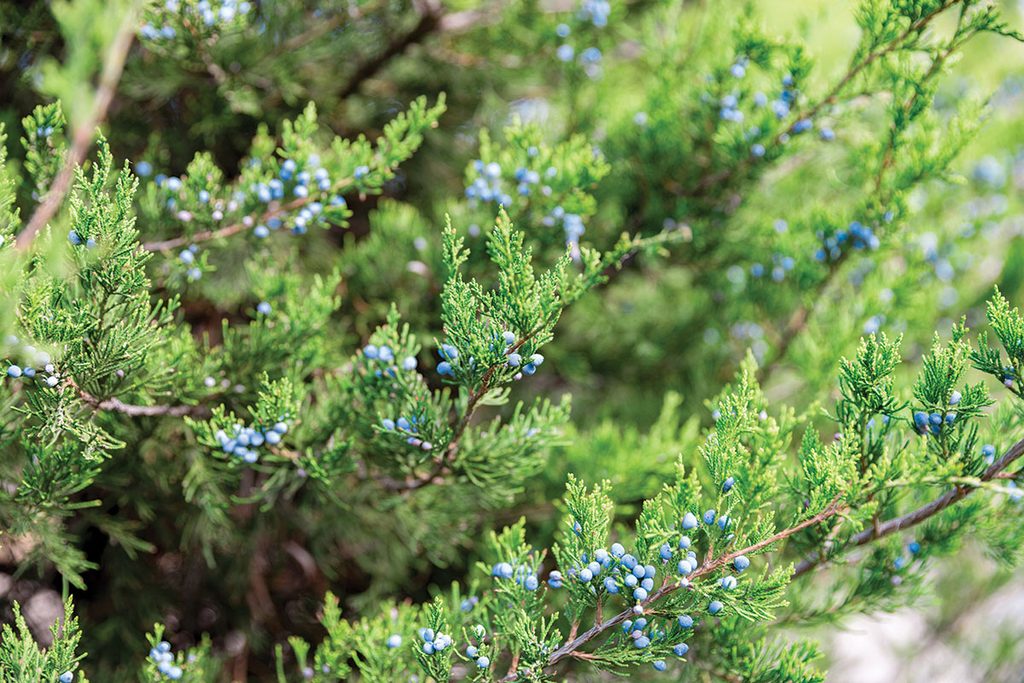
Eastern Redcedar is an invasive species and when not controlled, can takeover large portions of pasture grassland. Often starting in fencerows where it is hard to mow and needs to be controlled by spraying, it is easy to overlook this part of pasture maintenance.
A cedar under 4-6 feet is an easy fire kill where usually one good pass will take care of any returning cedar. Once it gets past that height it becomes harder to remove and usually requires mechanical removal which costs real money per acre. Redcedar encroachment has become an epidemic across many parts of the area and every season that maintenance and eradication of the smaller cedars get skipped, the easier it is for it to become established.
September and October are the time to walk your pastures, flag the draws and fence lines where cedars are creeping in and get those areas on the fall burn calendar before dormant season conditions close the window. Patch burn grazing is a great tool to utilize and allow your livestock to do the re-grazing for you.
Information from the Smoky Hills Prescribed Burn Association (SHPBA) states, “Instead of burning the entire pasture at one time, burn a third each year on rotation. Cattle are drawn hard to the freshly burned patch due to the regrowth being higher in protein and more digestible. Meanwhile the unburned two-thirds rest, building residual cover the ground-nesting birds and other wildlife need. Over a three-year cycle, every acre gets burned and every acre gets a rest. It’s a lower labor way to combine grazing distribution, weight gain and habitat goals into one plan.”
Sericea Lespedeza is another invasive species that needs the correct burn plan to actually set it back. Sericea doesn’t die from a single burn if done at the incorrect time. A good combination that usually works is a late spring burn (typically May, once Sericea is actively growing but before seed is set) followed by grazing pressure or a targeted herbicide pass on regrowth.
Many states will have some sort of cost-share assistance for cedar removal with Oklahoma having FY27 Cost Share for Invasive Woody Species Removal. Applications are open September 1-November 1, 2026. The USDA-NRCS has a program designed for brush management with applications accepted continually, then ranked for approval.
Information from the SHPBA website shares that the first step to any cost-share program is to come up with a written burn plan. It is important to document your objectives, weather prescription, firebreaks and contingency plan. It is often required for liability coverage and cost-share eligibility. Fall burn windows can be narrow and short-notice once conditions line up, so having a plan set up and ready to go means you are not scrambling when a good burn day shows up on the forecast.
Controlled burns are an important tool to control invasive species, especially Eastern Redcedar and Sericea Lespedeza. They can also help control tick species which have been shown to thrive in the same area as Cedars. Keeping underbrush and dead vegetation cleaned up helps reduce wildfire risk. Reach out to your local NRCS office or state extension for more information on controlled burns. As always, follow your local and state guidelines before burning and observe all burn bans in your area and drought conditions.