
With winter cold arriving, calves face higher risks of illness and loss without proper preparation
Local livestock specialists are reminding producers to take extra steps to protect young calves from the stress of winter weather. Calves are particularly vulnerable, and cold stress can begin at temperatures below 50 degrees Fahrenheit.
Cold stress can slow growth, weaken immunity and increase the risk of pneumonia and scours. Preventing these issues starts with careful attention to nutrition, housing and day-to-day management before severe weather sets in.
“A vaccination program that targets blackleg and general respiratory disease is really important,” said Benton County, Arkansas Extension Agent Johnny Gunsaulis.
He noted that as temperatures drop, calves’ energy needs increase. “Producers often underestimate how much more feed it takes for cavles to stay warm,” said Gunsaulis. Adjusting feed rations – by adding milk replacer or supplementing with grain – can help bridge the gap.
Shelter, bedding and ventilation also play key roles. Calves born in clean, dry, draft-free environments fare better in cold weather, according to regional extension specialists. Deep, dry bedding helps calves nestle and retain heat. At the same time, pens must be ventilated without drafts to reduce disease risk.
“I would pay attention to not only the temperature but also moisture,” said Mayes County, Oklahoma Extension Director Michael Rose. “A calf that is wet becomes chilled much quicker than one that is dry.”
Local producers are also finding that calf blankets or jackets, when kept dry and well-fitted, improve weight gain under harsh conditions. Calves should be moved to sheltered areas immediately after birth, drying them promptly and ensuring colostrum intake.
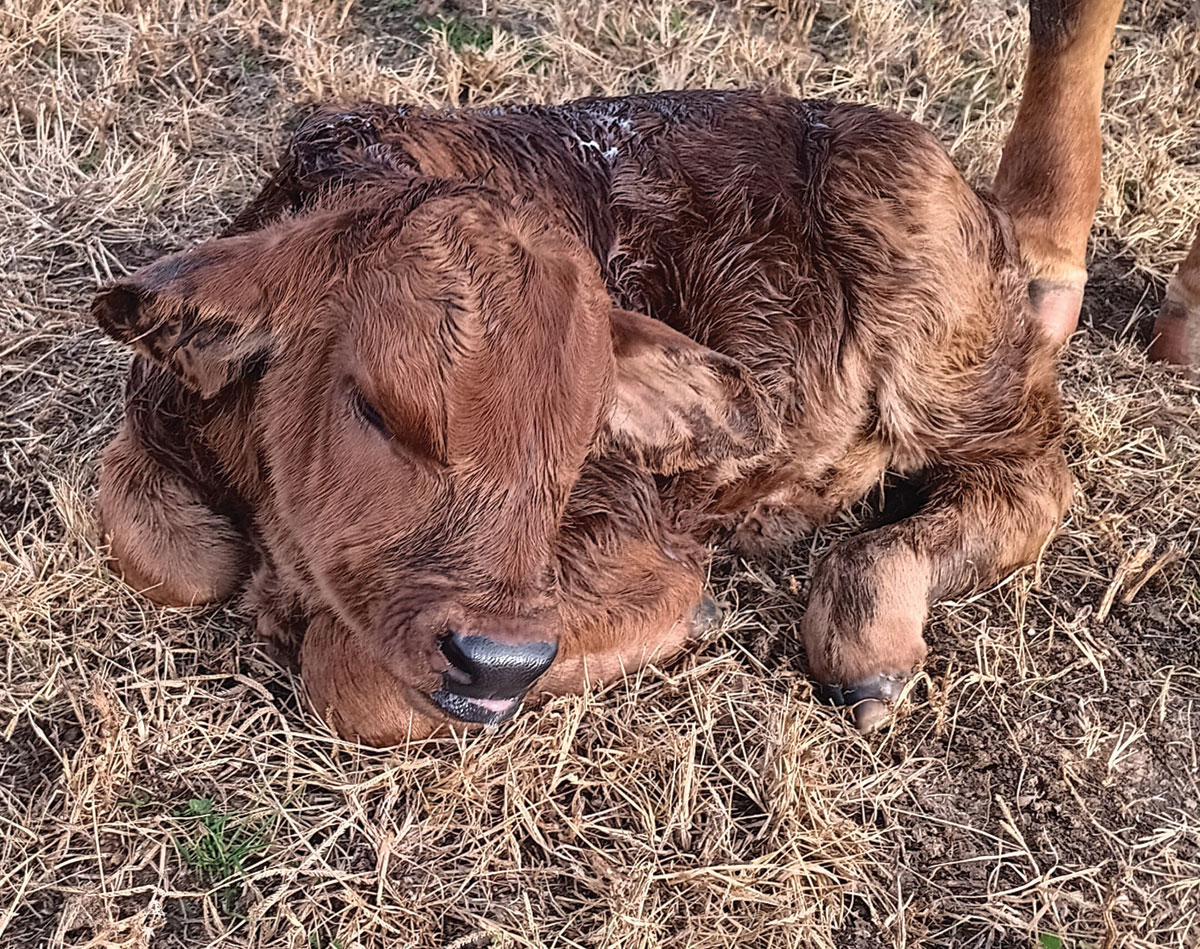
“These babies are incredibly tough if they are just born, get dried off and placed on dry ground,” said Gunsaulis.
Water management is another key factor. Producers are encouraged to feed milk at about 100 to 105 degrees Fahrenheit and provide warm drinking water, since icy buckets discourage intake. Dehydration and cold can quickly compound each other, making vigilance essential.
Calving in cold months calls for special attention. Local extension specialists recommend having warming boxes ready, isolating first-calf heifers and ensuring maternity pens are properly prepared. C born into freezing conditions are at immediate risk of hypothermia and should be sheltered without delay.
Putting these practices together – proper nutrition, dry bedding, ventilation and close monitoring – can significantly reduce winter losses.