

Pollinators promote pasture productivity
Incorporating pollinators into agricultural operations has been known to help farmers boost productivity and biodiversity throughout the year.
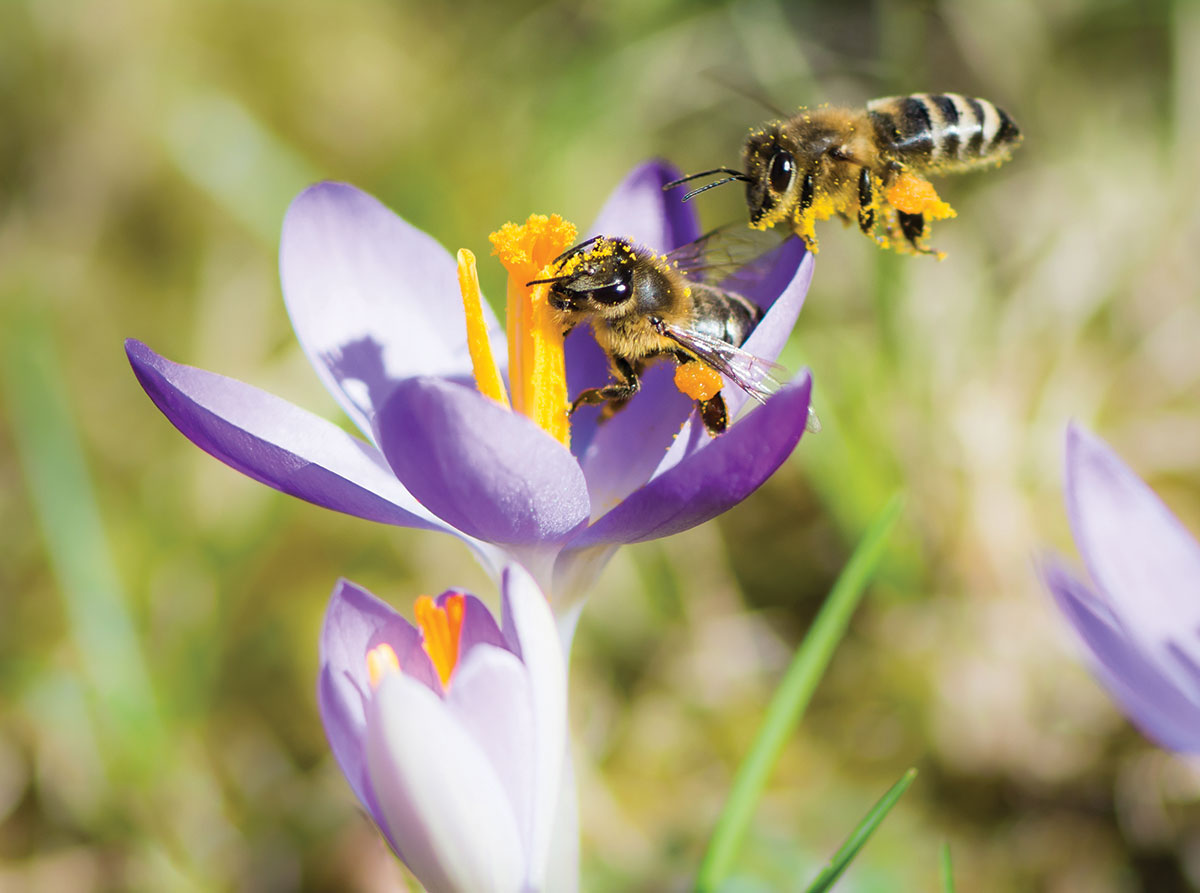
Pollinators are classified as any bird, insect, mammal, or other creature that carries pollen between flowering plants. One of the most well-known pollinators is bees.
Pollinators provide many benefits to the food system. According to former president of the Benton County Beekeeper Association John Price, pollinators are vital for production of the fruits and vegetables we consume.
“Pollinators pollinate 70% of the crops we need,” Price said. “If it wasn’t for them, it would be very difficult for us to have food to eat.”
In addition to food, pollinators have also been connected to an increase in yield for both forage and pasture grasses. Many agricultural commodities rely on pollinators for renewal and regeneration throughout the crop’s life cycle. Price said forage grasses in particular, which serve as the foundation for livestock grazing and nutrition, depend heavily on pollinators.
“It is a symbiotic relationship,” Price said.
He went on to explain that forage grasses provide a good source of pollen and energy for bees while bees aid in reproduction and the re-establishment of forage grasses across farming operations.
Establishing pollinators on a farming operation is the beginning of accessing these benefits. Donnell Dobbs, the head of operations at Dobbs Farms, encouraged farmers to have the mindset of becoming more ecofriendly by eliminating chemical use.
“We need to figure out a happy medium to try to be as eco-friendly to the earth and to the inhabitants to be able to do what we need to do,” Dobbs said.
According to Dobbs, one of the most practical steps farmers can take is to avoid spraying pesticides that contain chemicals that are deadly for bees. Instead, natural pest control methods are recommended, such as integrated pest management techniques.
Another important step is establishing what Price refers to as a food base to provide pollen year-round.
“I’m constantly searching and trying to build a bigger base to go from February to October, because it’s going to be their best sources of pollen and nectar,” he said.
Price said building this food base involves planting trees and flowers that bloom in different seasons. The effectiveness of the food base depends on staggering the blooming times. The goal is to provide the most amount of pollen so that bees receive the maximum amount of nutrition.
“Find different sources of pollen and nectar that will keep going all year long,” he said.
Price said building a strong food base begins with planting forage grasses such as clover in the spring. As the year progresses and the temperatures get warmer, planting herbs such as lavender and sage, as well as varieties of bee balms carry bees through the summer, especially in times of drought. Plants like sunflowers and golden blooms complete the food base throughout the fall.
Other plants such as red maple and red bud trees, as well as berries, help supplement pollinators throughout the year.
Dobbs said he believes taking steps to cohabitate with pollinators and other animals is part of taking care of the earth.
“We need to be good stewards about the ground and the earth,” he said. “If we learn to do those better practices now rather than later, we’re going to fare so much better if we starter becoming smarter on what we do.”
Price said the most important step people can take when establishing pollinators is to find a mentor.
“It’s so important, because there’s so much to learn about beekeeping,” Price said. “There’s nothing better than hands-on training from an experienced beekeeper. It makes all the difference in the world.”
For more resources about pollinators and implementing them on your property, contact local extensions services.