
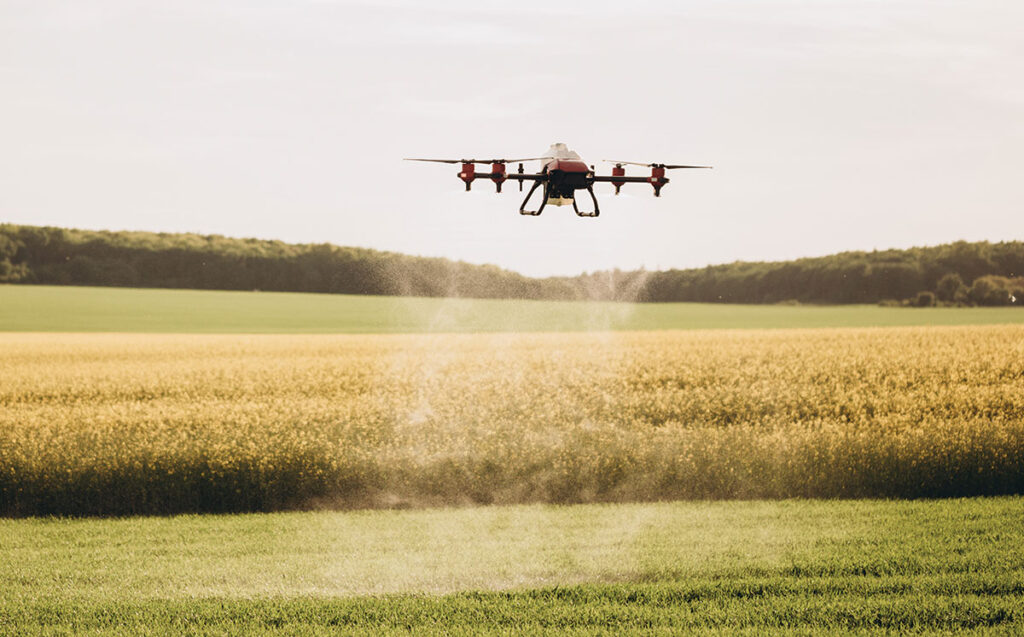
Farmers push towards drones for more efficient farming
As drone technology advances, farmers are using them to cut cost and increase farm efficiency.
Austin Fruge, graduate teaching assistant at the University of Arkansas, said drones are the next big piece of equipment for row crops and planting.
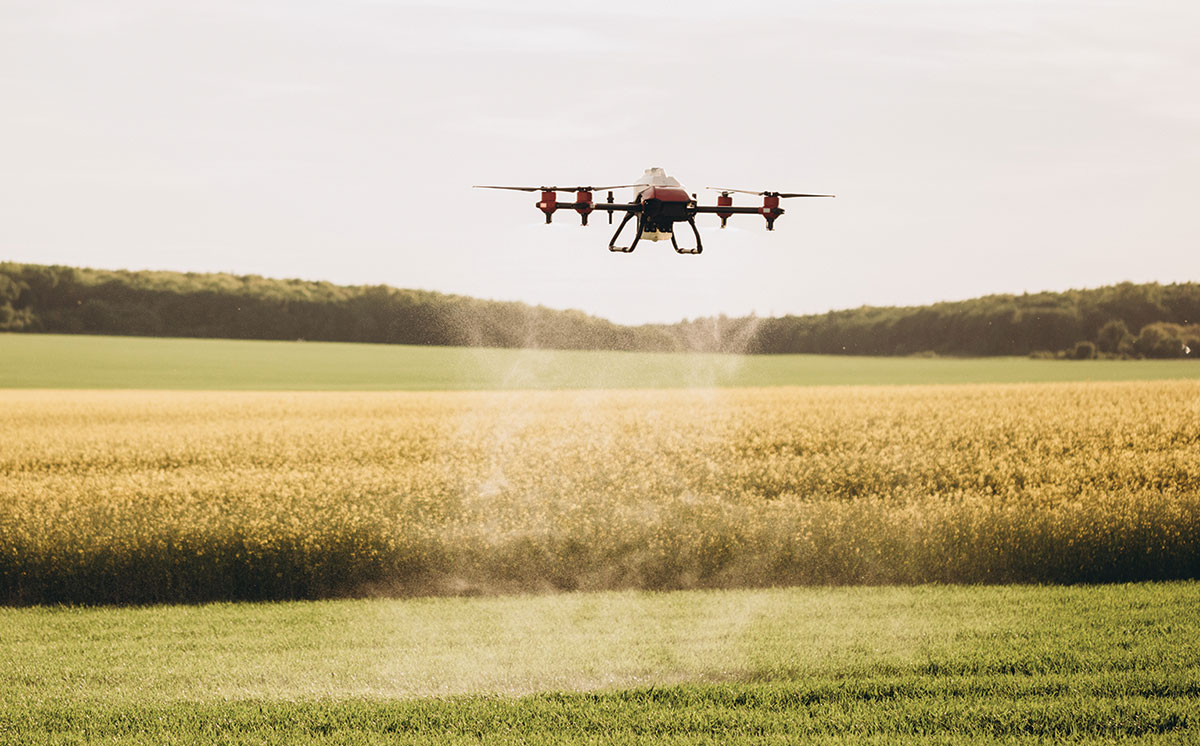
Farmers today are switching from traditional crop sprayers to drones.
Drones started to make an appearance in 2010. These drones are equipped with cameras and are programed for the acreage of the land. Not only are they manufacturing most for spraying, but a lot of these are also being made for planting or even picking Apples.
“Drones are being utilized for a multitude of uses in farming, anything from crop scouting and field estimating. Spraying applications, as well as harvesting that they are using drones to pick apples,” said Fruge
The cost of the drones can vary depending on how much work you need to get done. They cost on average between $15,000 and $25,000. Although one drones may be expensive, they can be productive pieces of equipment that can save time and money.
Farmers are finding out that drones are saving them more time and getting work done faster, said Fruge. Walking rows with a regular sprayer can take hours of work, but a drone can do the same job in a portion of time. A lot of drones have an eight-hour battery life allowing the pilot to do other work, but the pilot must be able to see the drone and always monitor it.
“It takes the human aspect out of it. Say in crop scouting there is a whole lot of variability, say in my eye this crop is 6 inches tall versus, your view its 4 inches when in actuality its 5 inches, where the drone takes that human error out of it,” explained Fruge.
Fruge said he believes drones are being used to get smarter results, from using drones if not sure about something the drone allows itself to get a bird’s eye view.
“Absolutely, a lot of the times you can set it. You’re not supposed to walk away from it, as long as you carry the remote with you and see it and watch it fly, you’re good to do whatever. The pilot has to be able to take over at anytime,” Fruge said, “ A lot of spray companies will focus on drones will run 3 or 4 of them at a time.”
While many farmers are still hesitant to make the big jump to purchase a drone, they are making their way up and companies are making them more efficient. With cheaper cost then regular equipment, farmers are seeing a rise in more work getting done at a faster pace.