
Wet weather in the fall can hamper your hoof health
Coming out of a very dry summer and drought, many producers are enjoying the much-needed rainfall. But with all of that extra moisture and mud, complications can arise in the form of foot rot.
According to Patrick Davis, MU extension livestock field specialist, “Foot rot is caused by causative bacteria entering the compromised skin or hoof wall integrity.”
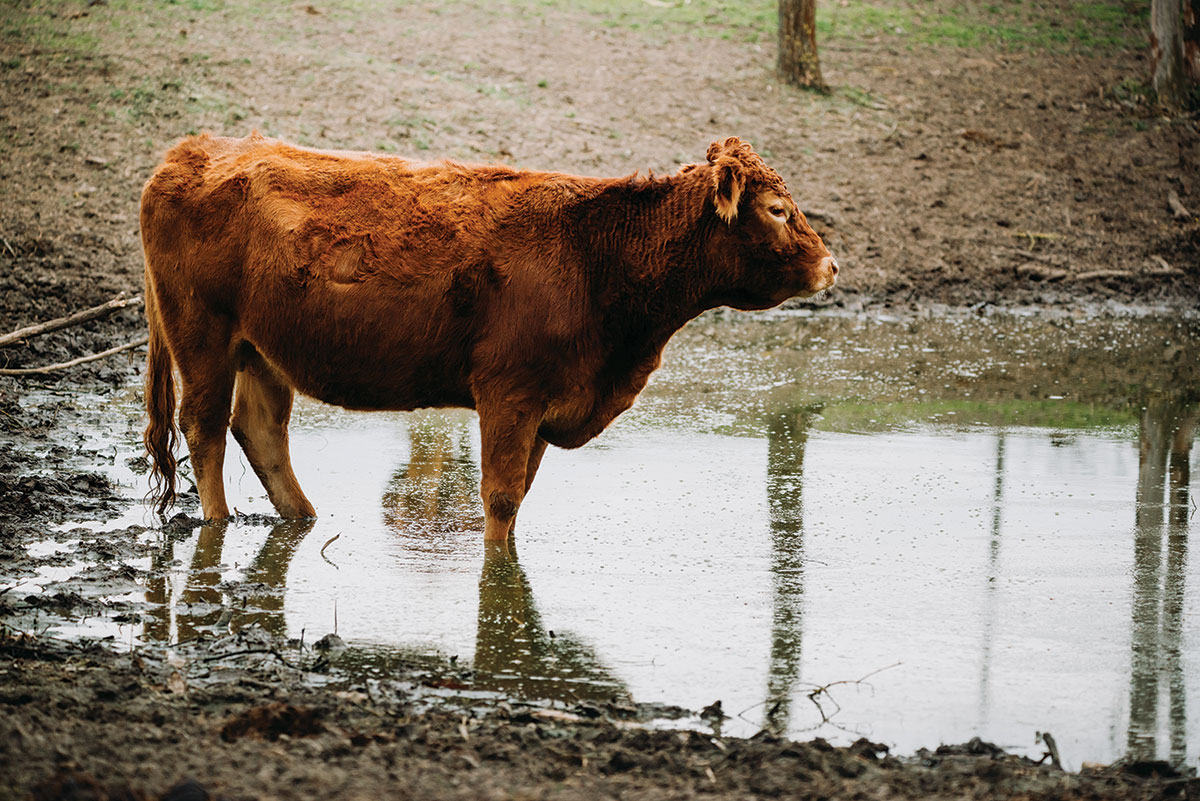
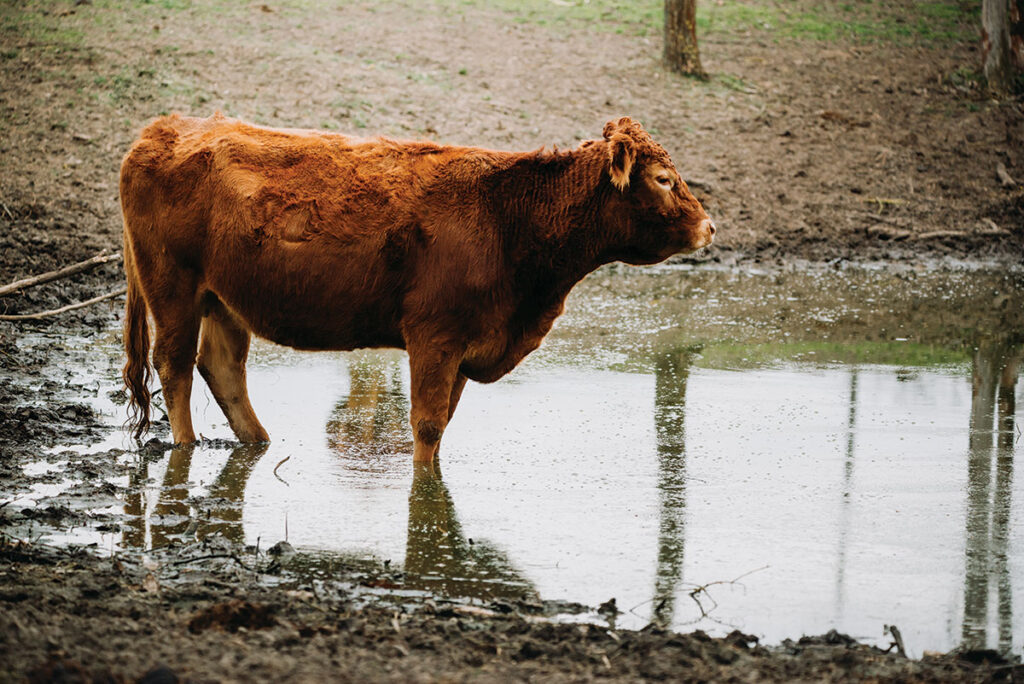
Abrasive surfaces such as rough ground or stubble from mowed pastures, rocks from creek crossings and anything that can puncture or cut the hoof wall or skin are all areas that allow bacteria to enter. Animals that have been standing in ponds or in muddy lots or crowded conditions are susceptible to foot rot.
Symptoms to watch for are sudden lameness in one or more hooves, red or swollen tissue between the toes, spreading of the toes due to swelling and inflammation and a foul odor are all signs of foot rot. If left untreated the infection will continue until there is separation of the hoof claw at the hairline.
If cattle are being confined due to weaning or feeding, ensure lots are well-drained and provide ‘high ground’ using mounds of soil or composted bedding for animals to lie on. Keeping lots free of manure and other debris that could cause a hoof injury is another way to protect your livestock.
Smaller livestock such as sheep and goats can be more susceptible to foot rot due to overcrowding in sheds during rainy periods. It is important to maintain good hygiene in these areas by making sure you have adequate clean, dry bedding during prolonged periods of wetness. Keeping hooves trimmed and utilizing foot baths can help cut down on foot rot during this time.
Ensuring adequate levels of trace minerals such as zinc, selenium and copper as they play an important role in skin and hoof health. Deficiencies in these areas can lead to a higher incidence of foot rot. Making sure livestock have free choice of trace minerals is a good step in maintaining hoof health. If you are raising sheep, be aware that copper is toxic, so feeding a mineral that is safe for your species is important.
Inspect livestock regularly for signs of foot rot as the sooner it is detected, the more effective the treatment will be. Clean the infected area and remove any foreign material and apply a topical antimicrobial treatment. Antibiotics may need to be administered as well as pain relief which your veterinarian will be able to advise on and prescribe. Improvement should be seen in 3-4 days and if not, consult your veterinarian for further treatment options. Isolate the animal to prevent further spreading of the bacteria and to aid the animal in recovery.
Foot rot is a major cause of lameness in livestock and can have a severe economic impact on animal health and performance. It is important to take preventative measures to protect hoof health by providing a well-balanced mineral nutrition program and providing access to dry, well-drained areas when there is extended periods of rain. Treatment of foot rot is most times successful if it is diagnosed soon after symptoms develop.
Refer to your veterinarian or your state extension for more information.
https://news.okstate.edu/articles/agriculture/2021/stotts_foot_rot.html