
Implementing a management strategy
There are few things, if any, that are more devastating on a livestock operation than losing an animal. The financial and emotional impact can take a severe toll on producers and their operations. Veterinarians encourage producers to implement management strategies to help reduce death losses in their herds and flocks.
Nutrition
Veterinarians suggest producers start with looking at the efficacy of their nutrition programs.
“First and foremost, we need to think about nutrition and then animal health related to nutrition. Those are the biggest things I would encourage producers to take a look at when it comes to herd and flock losses,” Rosslyn Biggs, DVM, assistant clinical professor, director of continuing education and beef cattle extension specialist at Oklahoma State University’s College of Veterinary Medicine, said.
Additionally, Biggs suggests producers work cooperatively with their veterinarian and their nutritionist to discuss steps they can take to prevent animal mortality. Proper intake of quality nutrition such as minerals and supplemental feed help animals build resistance to disease.
Currently, many areas are enduring the stress of drought conditions on forage availability. Options such as liquid protein supplements, protein lick tubs and appropriate mineral and salt help fill the nutritional gaps that drought-stricken forage lack. Producers should also strongly consider culling animals that are failing to thrive in their environment.
“We should be making culling decisions based on data rather than emotion,” Biggs said. “I think is important because even from an animal welfare standpoint I think we need to do right by the individuals in the herd that are not able to maintain themselves with the current conditions in our operation.”
Evaluate Animals
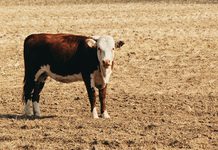
Preventing death loss includes careful evaluation of the animals in the herd or flock. In a cattle herd, cows and bulls should be visually appraised for any physical problems. Cattle should possess solid, structurally sound feet and legs to ensure mobility, adequate eyesight and teeth that allow them to harvest their own forage. In addition, cows should have udders with good conformation.
Producers will also want to assess all their animals’ body condition on a routine basis. As forage supplies dwindle, producers may want to consider culling cattle to match the nutrition they have to feed.
Herd Health Plan
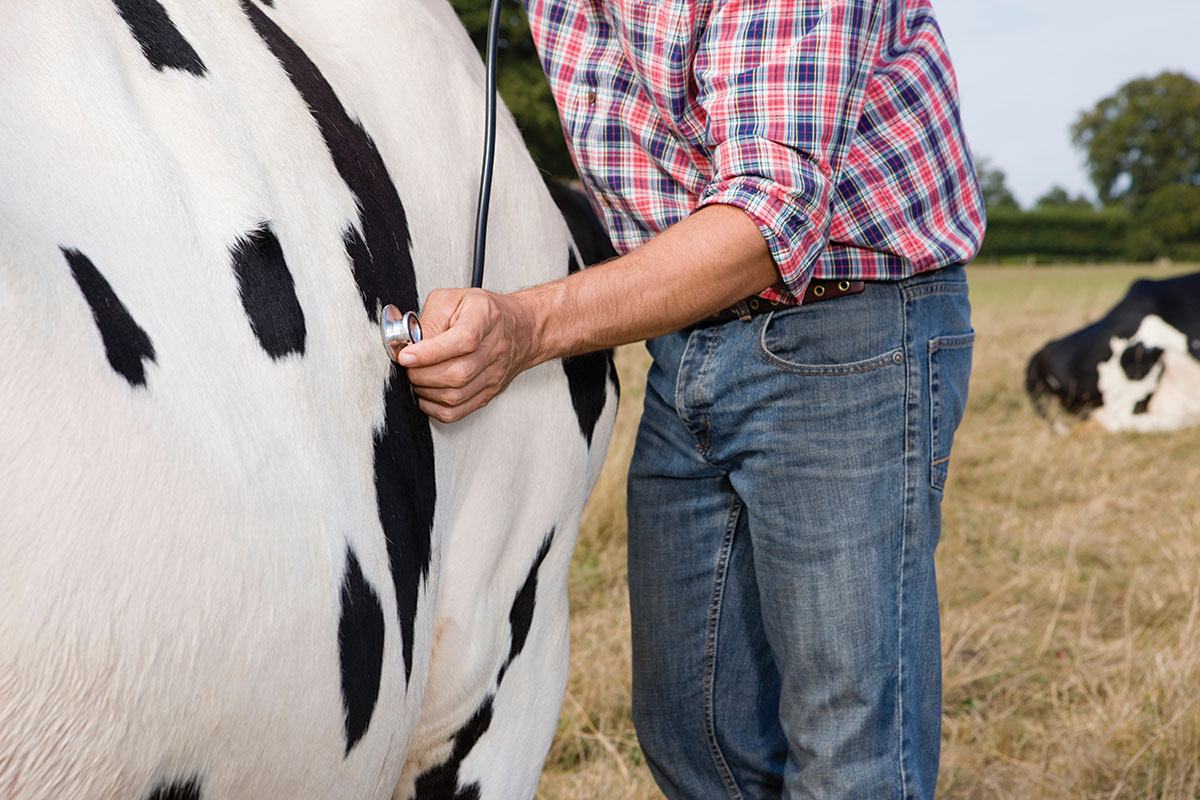
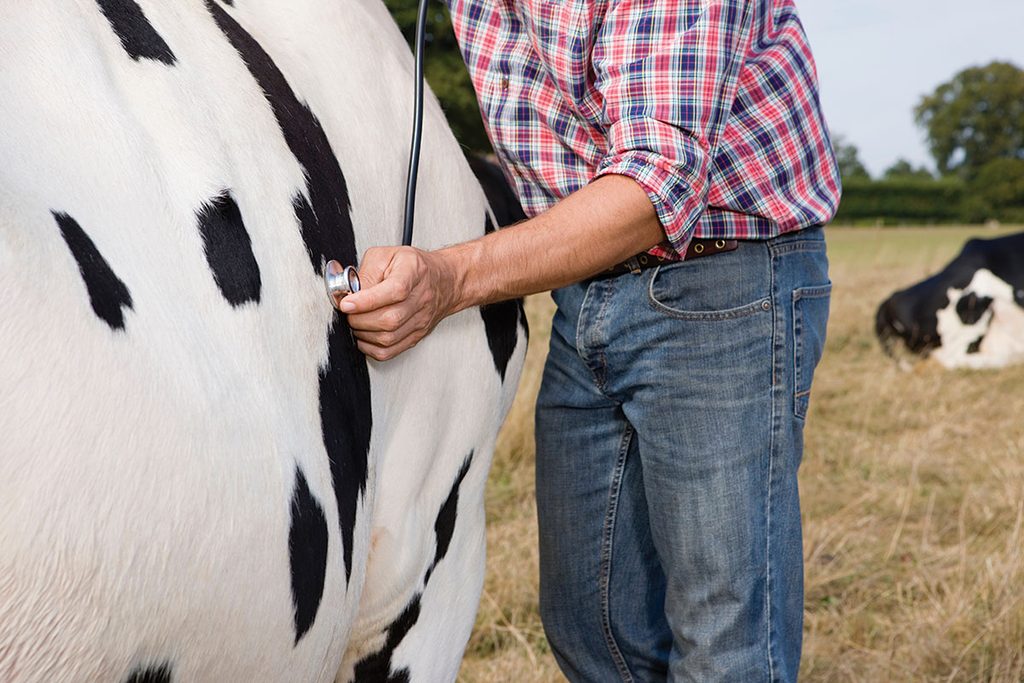
It’s much easier to keep a disease from occurring, than to treat it. That’s why veterinarians encourage producers to be proactive with their herd health.
“We want to look at what we can do to prevent disease rather than react to disease,” Biggs said. “Biosecurity is always an important one to me. How do we prevent disease, so we don’t have to deal with it to begin with?”
One way to prevent disease from entering the operation is through vaccinations.
“We know that vaccines are not a 100 percent, 100 percent of the time. But they are an incredibly good tool in our toolkit to prevent disease currently in our herd as well as in the future,” Biggs stated.
Vaccination protocols will vary from operation to operation. Therefore, producers may want to schedule time to work with their veterinarians to determine the best vaccination protocol for their operation.
There are benefits to collaborating with a herd veterinarian to formulate a herd health plan. The herd health plan should include the progression of steps a producers should take when common conditions and diseases impact the herd.
“I want to encourage producers to have conversations in advance, pay for that time to be prepared, pay for written protocols that your veterinarian can help facilitate and maintain those relationships,” Biggs said.
Vet-Client Relationship
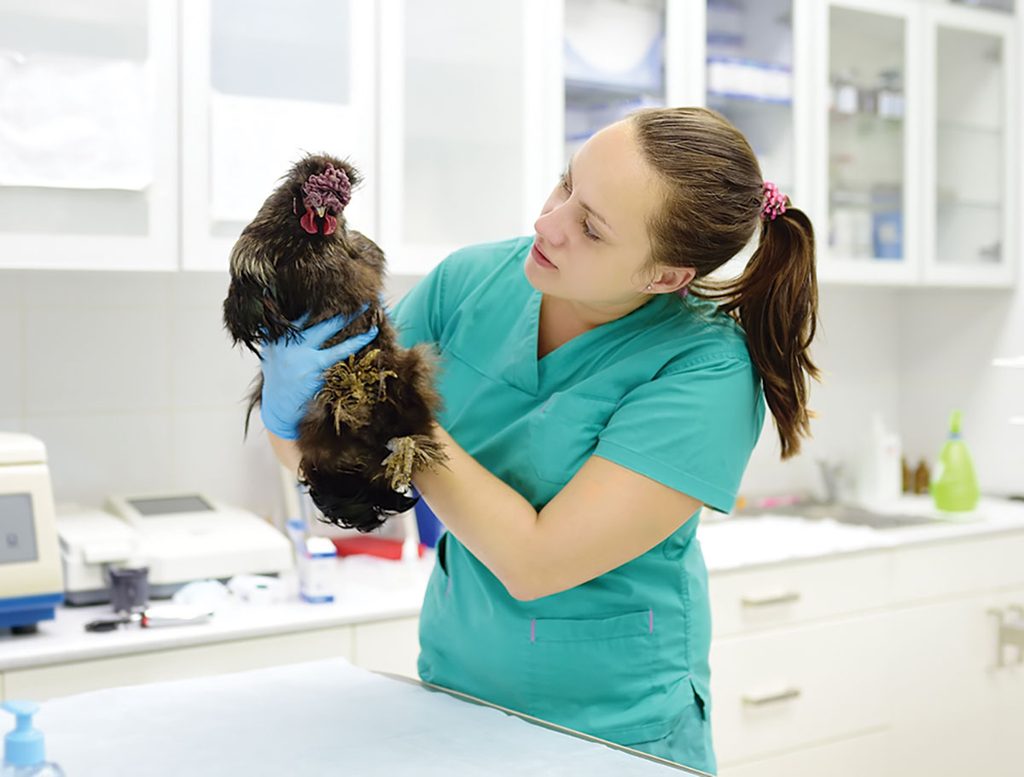
An important part of reducing death losses in a herd or flock is maintaining a good, consistent veterinarian-client relationship. Some veterinary practices are in a position in which they simply don’t have the capacity to handle emergencies of non-clients.
Lastly, if death losses do occur, veterinarians advise producers not to wait until several animals have died before calling their veterinarian. The sooner the problem is addressed the more likely the reduction in overall losses. In some cases, a necropsy may be needed to determine what is causing the deaths and how to prevent them.
There are several different protocols to managing your heard health and preventing losses. Having a good client veterinarian relationship and maintaining a healthy herd are important first steps to preventing death losses in your herd.