
Being prepared is half the battle
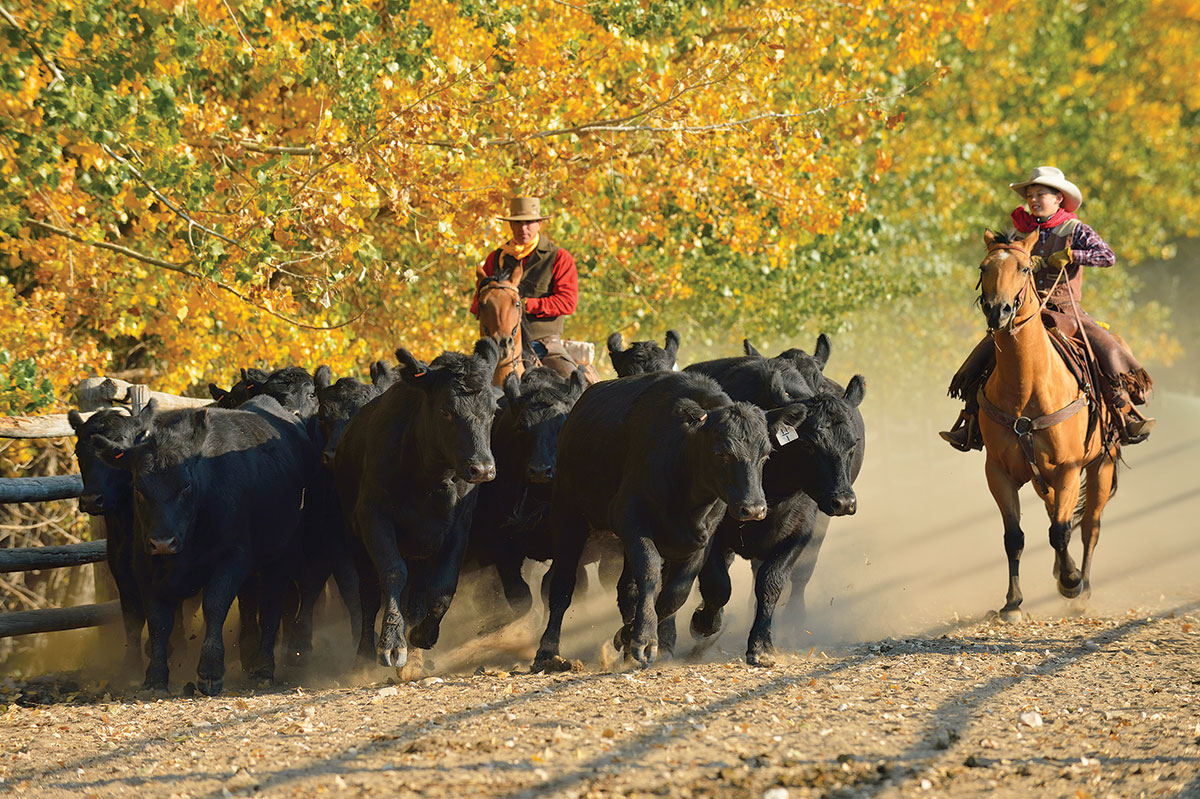
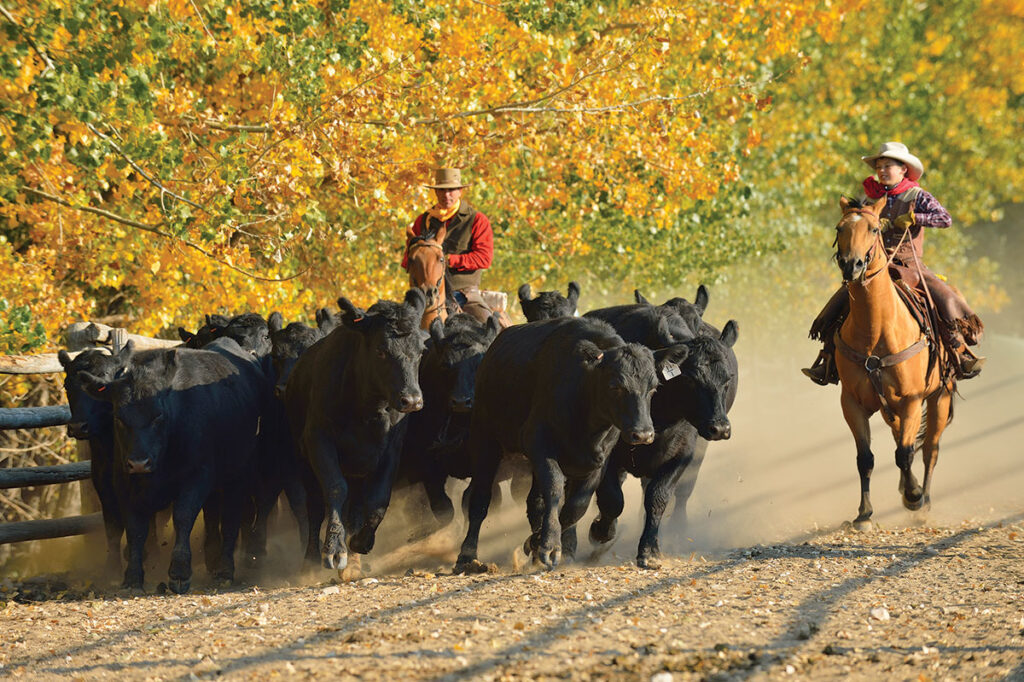
The cool weather of the fall season is a busy time of year for cattle producers and also a good time to make plans for the upcoming winter months. There are many management and labor decisions to be made, including repairing cattle facilities, moving cattle, evaluating the herd, and planning for fall and winter grazing.
The cooler days make it easier to get cattle up and schedule pregnancy checks, routine vaccinations and deworming. It is also a good time to work on pre-wean protocols such as introducing calves to grain if creep feed has not been readily available and to start the first round of vaccinations. Weaning time is stressful for calves and having them fully vaccinated and acclimated to feed is a good step to ensuring healthy animals down the road.
Fall is also a good time to evaluate your bulls for breeding soundness. Check your bulls for foot, leg and penile injuries and write down a body condition score. Have your veterinarian evaluate any young or older bulls for sperm motility and make sure they are ready before you turn them out with cows. If you are purchasing a new bull(s) for the breeding season, make sure he has had a thorough breeding soundness exam.
Plan for fall and winter grazing by identifying any pastures that need added nitrogen, lime, phosphorus or potassium. Soil testing should be completed every 2-3 years to guide applications of these products. September/October is ideal for establishing cool-season forages but due to drought conditions in some areas, any seedling or fertilizer applications should be paused until rainfall forecasts improve. Mixtures such as Tall Fescue, Red Clover, Orchardgrass and Ladino Clover offer balanced nutrition and extended grazing times.
Stockpiling forage can reduce hay feeding and improve animal performance during the winter months. Remove animals now and allow the new forage growth to accumulate. Delay grazing those areas until January/December if possible to allow some of the endophyte toxins to decrease in the newly grown forage. Strip grazing will also allow the best utilization of the accumulated forage.
Walk through holding pens and working facilities and check for any bent or broken gates, posts or panels and make repairs as needed. No one like an animal that takes advantage of a broken gate or panel when working livestock. This will also help to reduce injury to yourself and your animals. If you have automatic waterers, check them for leaks or any repairs that may be needed before the cold temperatures set in. Inspect feed storage areas and feed alleyways to make sure you are prepared for bulk feed/feeding. Fill potholes, haul gravel or blade any rough areas that you continually drive to make life easier on you, your equipment and your animals.
Being prepared now will help when the colder winter months arrive. Even though we cannot control the weather, we can take several steps to ensure some aspects of raising livestock are a little less stressful. Visit your county or local extension office in your state for more information and timely flyers for your area.
https://extension.okstate.edu/fact-sheets
https://extension.missouri.edu/publications
https://uaex.uada.edu/farm-ranch/default.aspx