

As we enter fall, our gardens start needing a little less attention, giving us more time to plan for next year. Just wait – those seed catalogs are on their way! Fall is also a wonderful time for construction projects you’ve been wanting to tackle. But before you fire up the heavy equipment, I encourage you to look up, down, and all around.
As a Horticulture Extension Educator, I often hear from frantic homeowners asking, “Why is my tree dying?” Or my personal favorite: “My tree died overnight!”
Here’s the thing: trees are slow to show signs of trouble. Construction damage may not become apparent for several years, sometimes up to five. That tree didn’t necessarily die overnight; its decline may have been building for years.
Trees provide tremendous benefits, and I’m a huge fan of shade during our hot Oklahoma summers. So, before installing that new driveway, fire pit, or landscape bed, consider what you’re doing beneath the surface.
Did you know roughly 90% of a tree’s roots are in the top 6–18 inches of soil? Roots can also extend laterally two to three times beyond the canopy. That means your construction plans could damage roots even when you’re nowhere near the trunk!
Here’s how to protect your leafy investments:
Mark your boundaries. Use flags, marking paint, or a garden hose to identify the area you want to protect. Keep vehicles, heavy equipment, and construction materials out. Install fencing at least to the dripline – the outer edge of the canopy – and farther when possible.
Avoid soil compaction and grade changes. Heavy equipment squeezes air from the soil, while raising or lowering the grade can suffocate, expose, or damage roots. Think twice before piling soil around that trunk!
Rethink the ground beneath your trees. Instead of fighting to grow grass under a tree, consider mulch or suitable ground covers. Keep mulch away from the trunk, think donut not volcano and avoid mowing over exposed roots.
Plan before you plant. Follow the “Right Tree, Right Place” principle. Consider mature height and width, sunlight, planting zone, maintenance needs, and disease resistance. Buy from reputable nurseries, especially those familiar with our Oklahoma growing conditions.
Don’t forget winter watering. During dry spells, water when temperatures are above 40°F and the soil isn’t frozen or already moist. Moist soil helps insulate roots and reduces winter injury.
Finally, inspect your trees regularly and watch for changes. Early evaluation by a qualified arborist may help identify problems before they become irreversible.
Think of tree decline like a stack of pancakes: drought, freezes, heat, wind, poor pruning, and root damage can pile up until the tree can’t take another bite. Take it from three-year-old me: sometimes too many pancakes produce unwanted results!
For more information on this or any other horticultural topic, you can contact Holly Dobbs, the Horticulture Educator in the Rogers County Extension office. Holly can be reached via email at [email protected], phone at 918-923-4958, or in person at the Rogers County Extension office, located at 200 S. Lynn Riggs Blvd. in Claremore. “OSU is an Equal Opportunity, E-Verify Employer.”
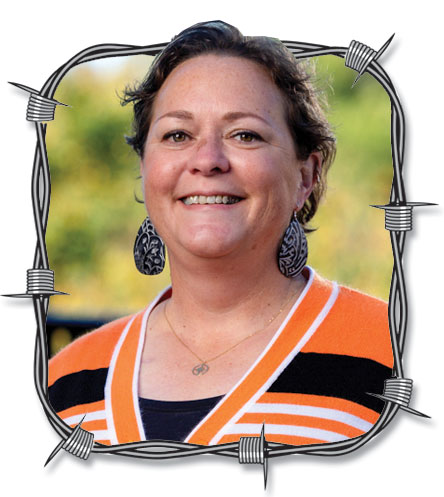
Holly Dobbs is the Horticulture Educator with Rogers County Oklahoma Extension Center